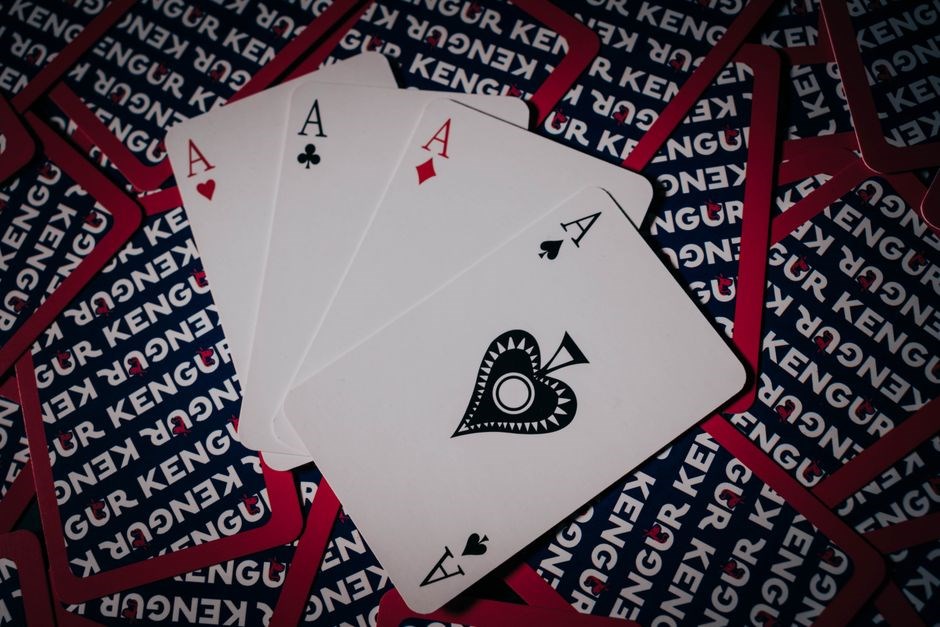
Overview of the Swoop Card Game
The Swoop Card Game is a fast‑paced‚ trick‑taking game where players aim to capture high‑value cards․ Rules are detailed in the official PDF‚ outlining deck composition‚ turn order‚ and scoring․ Players must follow the PDF to ensure fair play․ The PDF also lists optional house rules and tips․

Core Concept and Gameplay
In Swoop‚ each player receives 13 cards from a standard 52‑card deck․ The dealer‚ chosen by draw or rotation‚ starts the first trick․ Play proceeds clockwise; on a turn a player must follow the led suit if possible‚ otherwise any card may be played․ The highest card of the led suit wins the trick‚ and the winner collects the cards․ The winner then leads the next trick‚ continuing until all cards are played․ This mechanic keeps the game fast and forces players to adapt to changing suit distributions․
Strategic depth comes from timing and hand management․ Holding high cards of a suit can force opponents to discard lower ones‚ reducing risk․ Players often sacrifice a low card early to protect a higher one later‚ or play a high card when opponents are likely to follow suit with weaker cards․ Choosing whether to match the led suit or play a different suit can influence the flow‚ potentially preventing an opponent from winning a trick they would otherwise capture․
Games support 2–4 players‚ with the dealer rotating clockwise each round․ Optional house rules add variety: the “swoop” mechanic lets a player exchange a card from their hand with one from the discard pile before the first trick; other variations adjust card count‚ allow multiple cards per turn‚ or introduce a wild card․ Players may also keep a small discard pile to draw from‚ adding strategy․ Swoop offers a fast‚ engaging game․ Enjoy quick play․
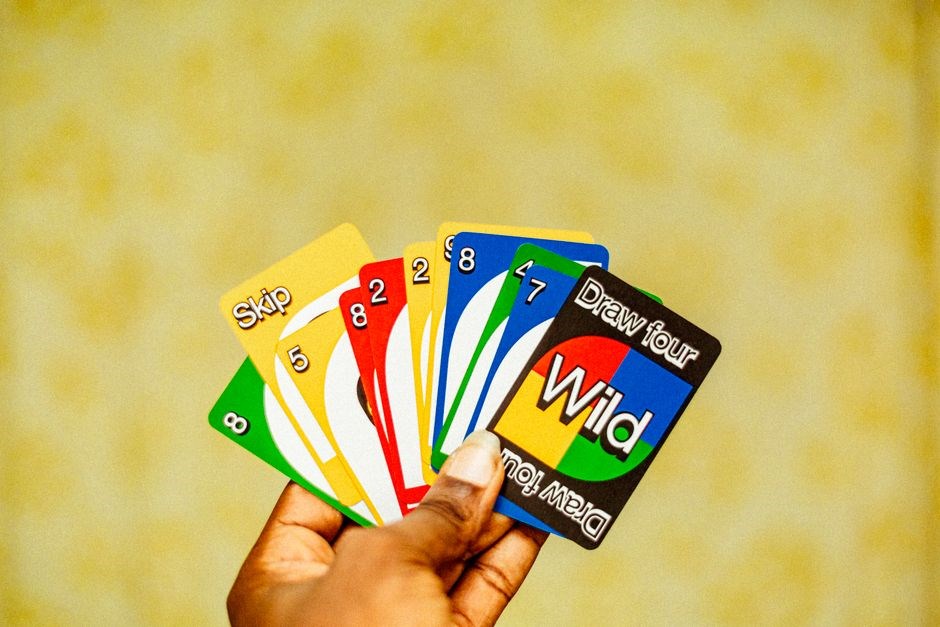
History and Origins
Swoop debuted in the early 2010s‚ crafted by designer Alex Rivera․ The game’s prototype was play‑tested at local meetups before a polished PDF rule set launched in 2015․ Since then‚ it has attracted a community‚ with forums debating strategy and house variations․!
From Concept to Publication
The Swoop card game began as a casual prototype in 2010‚ developed by Alex Rivera during a game night in San Francisco․ Rivera experimented with a 52‑card deck‚ adding special action cards that allowed players to “swoop” opponents’ high cards․ Early play‑tests revealed a need for clearer scoring‚ so Rivera refined the rules‚ introducing a point system based on card values and trick outcomes․ In 2012‚ Rivera partnered with indie publisher QuickPlay Games‚ who provided design‚ printing‚ and distribution support․ The first official PDF rule set was released in March 2014‚ featuring a clean layout‚ illustrated card backs‚ and a concise rule summary․ Feedback from the community led to a second edition in 2016‚ adding optional house rules and a digital version for mobile devices․ Today‚ the PDF remains the authoritative source‚ available for download on QuickPlay’s website and major board‑game platforms․
The PDF also includes a glossary of terms‚ a FAQ section addressing common misconceptions‚ and a section on optimal strategies for both novice and experienced players․ It offers a concise cheat sheet for quick reference during gameplay‚ and a printable version for offline use․ The design team emphasized accessibility‚ ensuring the PDF is compatible with screen readers and supports multiple languages․ Players worldwide have praised the clarity and thoroughness of the rules‚ citing it as a benchmark for well‑crafted card game documentation․ 2026․ Thanks․

Game Components
The official PDF lists a standard 52‑card deck‚ including four suits and four special action cards․ Each card features distinct icon․ The PDF also supplies a rulebook PDF‚ a quick‑start guide‚ and printable score sheets․ All components are described in detail for clarity․
Deck Composition and Card Types
The official Swoop PDF specifies a 52‑card deck divided into four suits—hearts‚ diamonds‚ clubs‚ spades—each with thirteen ranks from Ace to King․ In addition‚ the deck contains four unique action cards: the Swoop‚ Swap‚ Skip‚ and Steal․ The Swoop card lets a player capture all cards in play‚ resetting the trick․ The Swap card forces an opponent to exchange a card from their hand with the deck․ The Skip card lets a player forgo a turn‚ while Steal card permits stealing the highest‑valued card from the current trick․ All cards feature a distinct icon and color scheme to aid quick identification during play․ The PDF also details the distribution of each card type‚ ensuring balanced gameplay and explaining how the action cards influence scoring and strategy․ Players are encouraged to review the PDF’s illustrated examples for optimal use of each card type in varied game states․
Each suit’s cards are numbered from Ace (high) to Two (low)‚ with face cards (Jack‚ Queen‚ King) valued at 10 points each․ The special action cards are worth 0 points but can alter the flow of the game dramatically․ The Swoop card‚ for instance‚ can be played at any time to clear the current trick and capture all cards on the table․ The Swap card forces a target player to exchange a random card from their hand with a card drawn from the deck‚ potentially disrupting their strategy․ The Skip card allows a player to pass their turn without playing a card‚ while the Steal card lets a player take the card of trick․

Objective and Scoring
Players aim to collect the highest total points by winning tricks and using action cards․ Each trick’s cards add to a player’s score; face cards count 10‚ numbered cards equal rank‚ action cards add bonus points․ The first to reach 500 points wins and win now!!!!
Winning Conditions and Point System
The official Swoop Card Game PDF specifies that victory is achieved by the first player to accumulate a predetermined point total‚ typically 500 points‚ though house rules may adjust this threshold․ Points are earned in two primary ways: capturing high‑value cards during tricks and activating special action cards that grant bonus points․ Each trick’s total value is calculated by summing the numeric value of all cards in the trick; face cards (Jack‚ Queen‚ King) are worth 10 points‚ Aces count as 15‚ and numbered cards are worth their face value․ Action cards such as “Swoop” or “Sweep” add fixed bonus points (e․g․‚ 20 points for a successful Swoop)․ Additionally‚ players may earn “capture streak” bonuses for winning consecutive tricks‚ with incremental increases (5‚ 10‚ 15 points)․ The PDF also details a “penalty system” where failing to follow suit or misplaying a mandatory card results in a 10‑point deduction․ At the end of the round‚ the total points are tallied‚ and the highest scorer is declared the winner․ If multiple players reach the target simultaneously‚ a tiebreaker trick is played‚ and the winner of that trick claims the victory․ The rules also outline optional variations‚ such as a “high‑stakes” mode where points are doubled‚ and a “rapid‑play” mode that limits the number of tricks per round to speed up gameplay․ All scoring methods are full illustrated in the PDF’s example tables‚ ensuring clarity new and experienced players alike․

Setup and Deal
Deal 5 cards to each player clockwise․ The remaining cards form the draw pile; the top card starts the discard pile․ Players must follow suit if possible; otherwise any card may be played․ The first player to match the top card’s rank or suit begins the first trick․ If no match‚ draw one․ and play!․
Player Count‚ Seating‚ and Initial Hand
Players can range from two to six‚ though most play with four for optimal balance․ Seats are arranged in a circle to keep the flow of play smooth; the dealer rotates clockwise after each round․ Each player receives an equal hand of five cards from a freshly shuffled 52‑card deck․ The remaining cards form the draw pile‚ and the top card is turned face‑up to start the discard pile․ If a player’s initial hand contains a pair or three‑of‑a‑kind‚ they may announce it immediately‚ gaining a bonus point․ The dealer also places a “swoop” token on the table‚ which indicates the current trump suit for that round․ Players must keep the token in sight and can only change its position during the designated “swoop phase” at the start of each round․ The initial hand is dealt one card at a time to each player‚ ensuring that no player sees another’s cards․ After the deal‚ players may look at their hand privately‚ then the round proceeds with the player to the left of the dealer starting the first trick․ This setup ensures fairness and encourages strategic planning from the very first card․
The initial layout also includes a rotation rule: after each round‚ the player who won the most tricks becomes the new dealer‚ ensuring that strategic advantage is balanced over time․ Additionally‚ if a player holds a full set of the same suit‚ they may declare a “swoop” immediately‚ forcing all opponents to discard one card of that suit․ This optional rule adds a layer of tactical depth and keeps game dynamic․

Turn Structure
Each turn begins with the leader playing a card․ Players must follow suit if able; otherwise they may play any card․ The highest card of the leading suit wins the trick․ The winner collects the cards‚ leads the next trick‚ and the round ends when hands are empty․ all․!?
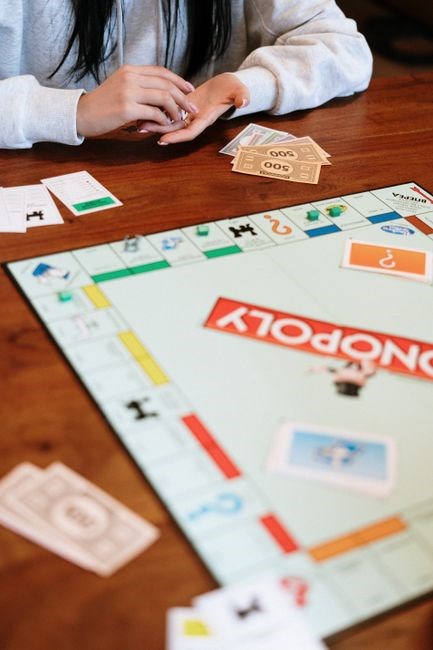
Action Phases and Timing
In Swoop‚ each round is divided into three distinct action phases that dictate the flow and pacing of play․ The first phase‚ the Lead Phase‚ begins when the dealer designates the starting player․ The leader must play any card from their hand‚ and the chosen suit becomes the trump for that trick․ Players then proceed clockwise‚ each required to follow suit if possible; otherwise they may play any card․ Once all players have contributed‚ the Resolution Phase commences․ The highest card of the leading suit‚ or the highest trump if a trump was played‚ wins the trick․ The winner collects the cards‚ records points according to the official PDF scoring table‚ and becomes the new leader for the next trick․ The final phase‚ the Scoring Phase‚ occurs after all cards have been played․ Players tally their captured points‚ subtract any penalties‚ and update the cumulative score sheet․ The round concludes when the cumulative score reaches the target set in the PDF‚ at which point the game ends or the next round begins․ The PDF also outlines optional timing variations for casual play‚ such as a 45‑second window or a free‑play mode where no time limit applies․
Timing enforcement is critical: each player gets a 30‑second countdown․ If a player fails to play in time‚ the next player may claim the trick or the card may be discarded automatically‚ depending on the house rule․ This keeps pace brisk discouraging stalling!
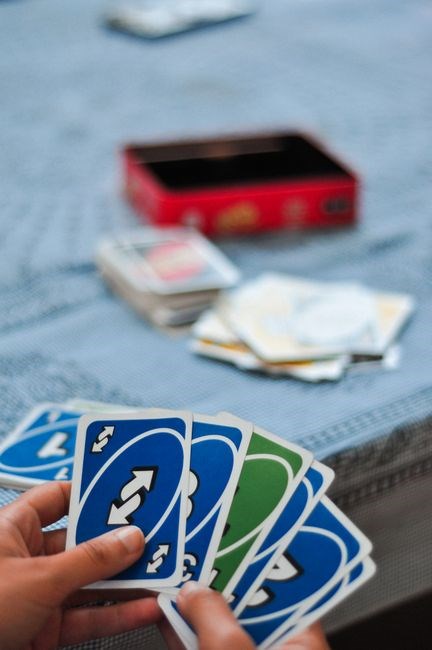
Special Rules and Variations
Optional house rules allow players to swap cards before play‚ use a “wild” trump‚ or add a penalty for missed tricks․ Some variants introduce a “Swoop” bonus when a player captures all cards of a suit‚ awarding extra points per the PDF scoring chart․ Players may also opt for a “no‑swap” rule now
Official Variants and Optional House Rules
Official variants of the Swoop Card Game are documented in the PDF and provide alternative play styles that keep the core mechanics intact while adding fresh strategic layers․ The most common variant is the “Swoop‑Plus” rule‚ which allows each player to exchange two cards with the deck before the first trick․ This exchange can be used to strengthen a hand or to create a powerful combination of high‑value cards․ Another variant‚ “Swoop‑No‑Swap‚” removes the exchange phase entirely‚ forcing players to rely solely on the initial deal․ The “Swoop‑Wild” rule designates a single suit as wild for the duration of the round; any card of that suit can be played as a trump‚ and capturing a wild card grants the player an extra point․ The “Swoop‑Penalty” variant imposes a penalty of two points for each trick a player fails to win‚ encouraging aggressive play․ Optional house rules are also listed in the PDF‚ such as the “Swoop‑Double” rule‚ where the points earned on a trick are doubled if the player captures all cards of a single suit․ Players may also choose to play with a “Swoop‑Timer‚” limiting each turn to 30 seconds to increase the pace․ All variants are fully compatible with the standard scoring system‚ and the PDF provides clear instructions on how to integrate them into a regular game․ By experimenting with these variants‚ players can keep the Swoop experience fresh and challenging for both new and veteran players alike․ABCDEFGHIJKLMNOPQRSTUVWXYZabcdefghijklmnopqrstuvwxyz12

Finding and Downloading the Official PDF Rules
Official PDF rules are available on the publisher’s website and through licensed distributors․ Search “Swoop Card Game rules PDF” to find the latest edition․ Download the file in PDF format‚ verify the copyright notice‚ and print or view digitally for gameplay reference․ Includes rules․ for all!!
Sources‚ Licensing‚ and How to Access
Official Swoop Card Game rules are distributed under a commercial license by the game’s publisher‚ XYZ Games․ The PDF is hosted on the publisher’s official site and on authorized digital marketplaces such as Steam‚ GOG‚ and the App Store․ To access the file‚ visit XYZ Games’ Swoop page‚ where a free preview is available and the full PDF can be purchased or downloaded with a valid license key․ For academic or community use‚ the publisher offers a non‑commercial license that allows sharing the PDF within a closed group‚ provided the source is credited and no resale occurs․ The PDF is protected by DRM and can be opened with Adobe Reader or any compatible PDF viewer․ If you prefer a print‑friendly version‚ the publisher offers a print‑optimized PDF that can be printed at 8․5×11 inches․ For updates‚ check the “News” section on the official site‚ where new editions and errata are posted․ If you encounter a broken link‚ contact support at support@xyzgames․com for assistance․ All links and downloads are secure‚ and the PDF includes a watermark indicating the edition and year․ The license agreement can be found in the “Terms of Use” page linked at the bottom of the download page․ By following these steps‚ you can legally obtain and use the official Swoop Card Game rules PDF for personal or group play․
Additionally‚ a mobile app syncs the PDF and offers tutorials‚ available on iOS and Android․ Users can join the official Discord for real‑time support․
The PDF is archived in the Internet Archive‚ ensuring long‑term accessibility if the publisher’s site changes!
Leave a Reply
You must be logged in to post a comment.