A simple guide distills complex ideas into clear steps, making learning accessible and actionable. By focusing on core principles, it eliminates jargon, encourages consistency, and empowers readers to apply knowledge quickly. This approach promotes confidence and lasting change.Readers gain instant clarity
Defining Simplicity
In the context of a simple guide, simplicity means prioritizing sustainable habits over rigid rules. It emphasizes clear, actionable steps that fit naturally into everyday life, rather than imposing calorie counting or extreme restrictions. By focusing on personalized AI coaching, users receive real‑time feedback from Coach Avo, nutrition scores for logged meals, and beginner‑friendly workouts that adapt to individual progress.
Key elements of simplicity include:
- Personalized plans that evolve with user data, ensuring relevance without overwhelming detail.
- Real‑time analytics that highlight progress, helping users stay motivated without obsessing over numbers.
- Beginner‑friendly exercises that build consistency, making fitness approachable for all skill levels.
- Integrated wellness habits that support weight loss and overall health, without calorie counting or strict diets.
By stripping away unnecessary complexity, a simple guide empowers people to understand what to do, stay healthy, and achieve lasting results. It turns endless health articles into actionable, digestible steps that fit into daily routines.
In practice, simplicity translates to removing jargon, using plain language, and focusing on one actionable step at a time. It encourages incremental changes, such as swapping a sugary drink for water or adding a short walk after meals, rather than overhauling entire lifestyles overnight.
Simplicity celebrates small wins, boosting confidence and motivation.
Benefits of Simple Guides
Simple guides offer a range of advantages that make learning and implementation smoother. By focusing on sustainable habits, they reduce overwhelm and increase adherence. Users benefit from personalized AI coaching that provides real‑time answers, nutrition scores, and tailored workouts, all without the need for calorie counting or strict restrictions. This approach fosters consistency and confidence, turning complex health advice into digestible, actionable steps.
Key benefits include:
- Clear, step‑by‑step instructions that eliminate confusion.
- Personalized feedback that adapts to progress, keeping motivation high.
- Integration of wellness habits that support weight loss and overall health.
- Reduced cognitive load, allowing users to focus on action rather than analysis.
- Encouragement of incremental changes, making long‑term success more attainable.
Ultimately, simple guides help users understand what to do, stay healthy, and achieve lasting results with minimal effort.
By integrating these principles, simple guides become powerful tools that transform knowledge into habit. The emphasis on real‑time coaching ensures that users receive timely feedback, fostering a sense of accountability without the pressure of rigid metrics This dynamic approach adapts individual progress encouraging users celebrate small victories and maintain motivation over time The result is a sustainable, enjoyable path toward healthier living that feels natural rather than forced!!!!!!!!!

Choosing a Topic
When selecting a subject for a simple guide, prioritize relevance, clarity, and impact. Start by identifying a common challenge that your audience faces—such as adopting sustainable eating habits, creating beginner‑friendly workouts, or mastering basic wellness routines. A successful topic should be narrow enough to cover comprehensively yet broad enough to attract interest. Consider the following criteria:
- Audience need: Does the topic address a real pain point?
- Expertise: Do you have the knowledge or resources to explain it simply?
- Actionability: Can the reader implement steps immediately?
- Scope: Is the content manageable within a concise guide?
- Audience engagement: Does the guide invite interaction?
Leverage data from tools like the Simple app’s analytics to see which features users engage with most. For instance, if nutrition scoring and real‑time coaching are popular, a guide on “How to Use Nutrition Scores for Quick Meal Planning” could resonate. Align the topic with your brand’s mission—whether it’s promoting holistic health, encouraging consistency, or providing AI‑driven support. Finally, validate the idea by testing a brief outline or poll on social media; refine until the concept feels both essential and approachable.
Remember, the goal is to keep the guide focused and actionable. Avoid jargon, use plain language, and break information into bite‑sized chunks. A concise, well‑structured guide helps readers quickly grasp the key steps and apply them fast.
With clarity, readers can quickly adopt the steps and see progress.
Keep the guide short and test it with users refine clarity.

Structure of a Simple Guide
Designing a clear structure turns a complex topic into an easy‑to‑follow journey. A typical simple guide follows a predictable pattern that readers can skim and understand instantly. Below is a step‑by‑step layout that blends concise prose with visual cues.
- Title & Hook – A one‑sentence headline that states the benefit and invites curiosity.
- Quick Overview – A 2‑sentence paragraph that explains the purpose and what the reader will gain.
- Prerequisites – A short list of items or knowledge the reader should have before starting.
- Step‑by‑Step Instructions – Numbered steps, each limited to 1‑2 sentences. Use active verbs and avoid jargon.
- Visual Aid – Insert a diagram, chart, or screenshot that illustrates the step or concept.
- Common Mistakes – Highlight 2–3 pitfalls and how to avoid them.
- Quick Tips – A bulleted list of shortcuts or hacks that save time.
- Resources – Links or references for deeper learning.
- Call to Action – Encourage the reader to try the first step or share results.
- Closing Summary – Reiterate the main benefit and next steps in one sentence.
Separate sections with clear breaks. Keep the guide under for brevity. Use bold titles and italics for key terms to aid quick scanning. This structure keeps the guide organized and approachable fast.
Writing Clear Language
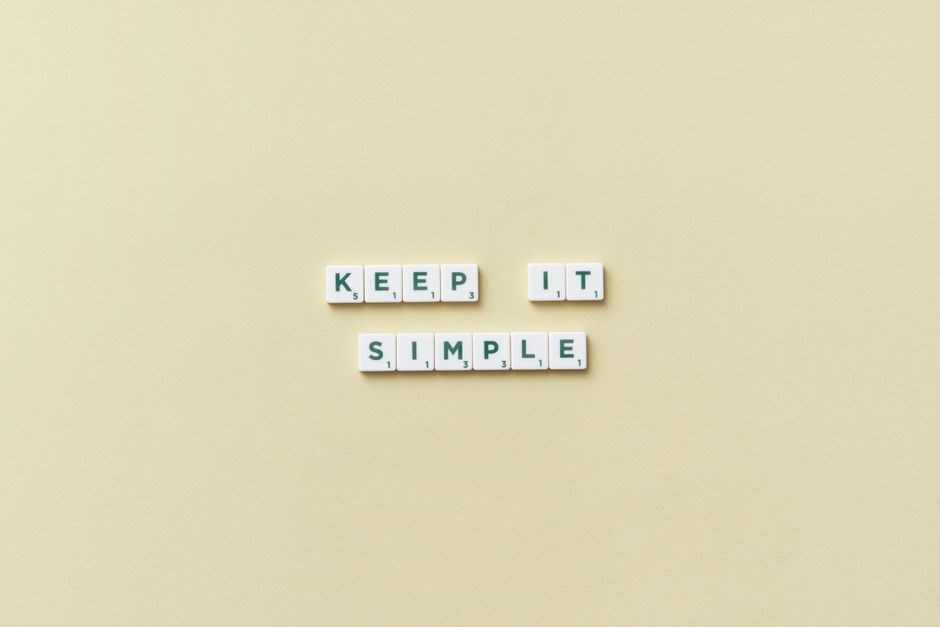
Clarity is the cornerstone of any simple guide. Start by choosing words that resonate with everyday speech—avoid technical jargon unless it is absolutely necessary, and when you do use a term, define it in plain language. Keep sentences short, ideally under , and use active voice to convey direct action. Break complex ideas into bite‑sized chunks; each step should answer a single question: “What?” “How?” and “Why?” Use consistent terminology throughout to prevent confusion. Visual cues like bold or italics can highlight key actions, while numbered lists give a clear sense of progression. When referencing data or statistics, translate numbers into relatable comparisons—e.g., “a 10‑minute walk is roughly the time it takes to boil an egg.” Finally, test your language by reading the guide aloud; if it sounds like a conversation, it’s likely accessible to most readers.
When you write, think of the reader’s first impression. Use short sentences, active verbs, and concrete nouns. Avoid passive voice unless it clarifies a process. Replace “utilize” with “use,” “commence” with “start.” When you introduce a new concept, give a quick definition before expanding. Use analogies that fit everyday life—like comparing a step in a recipe to a familiar routine. Keep paragraphs under 5 sentences to maintain focus. End each section with a takeaway sentence that reinforces the main point. Finally, read your guide aloud to catch awkward phrasing or unclear instructions. Remember, clarity beats cleverness; keep your guide simple friendly reader‑centric.
Using Visual Aids
Visual aids make abstract steps clear and memorable. A screenshot of the Simple app’s dashboard instantly shows where to find the “Nutrition Score,” cutting long explanations. A concise icon set—green check for completed tasks, red exclamation for warnings—gives at‑a‑glance status. Charts comparing daily calorie intake to the recommended range let readers see progress without crunching numbers. For workouts, a step‑by‑step diagram of exercise positions clarifies form and reduces injury risk. A short GIF of a 10‑second stretch replaces a paragraph, saving space and boosting engagement. Consistent style—same color palette and iconography—reinforces brand identity and aids memory. Interactive elements like hover‑over tooltips or clickable links to the Simple app’s “Coach Avo” chat let readers test features immediately, turning passive reading into active learning. Habit tracking benefits from a progress bar that fills as users log daily activities, providing instant feedback. Infographics summarizing weekly nutrition scores, hydration levels, and workout streaks condense data into one glance. Flowcharts mapping the path from “Choose a meal” to “Log it” help users understand the sequence without memorizing steps. Tables listing recommended portion sizes next to nutrition scores make comparison effortless. Keep visuals simple: use high‑contrast colors, large fonts, and descriptive alt text. Use vector graphics for fast loading. Aim for a 60/40 rule to avoid clutter. Label visuals with concise captions. For example, a pie chart showing macronutrient distribution can be labeled “Daily Macro Split.” Include a numbered screenshot sequence for setup. Test visuals with users and refine. These visuals guide users toward consistent habits.

Examples of Simple Guides
Daily Meal Planner: A step‑by‑step sheet that lists breakfast, lunch, dinner, and snacks with portion suggestions based on the Simple app’s Nutrition Scores. Users simply tick off items as they eat, and the guide automatically updates their daily balance.
Beginner Workout Routine: A concise 15‑minute circuit featuring body‑weight moves—push‑ups, squats, lunges, and planks—illustrated with short GIFs. The guide includes a progress bar that fills as users complete each set, encouraging consistency without calorie counting.
Habit Tracker: A printable table that lists 10 wellness habits (e;g., hydrate, sleep, walk) with checkboxes. The guide explains how to log each habit in the Simple app and rewards streaks with visual badges.
Nutrition Score Overview: A visual chart that compares a user’s logged meals against recommended macro ranges. The guide teaches how to interpret the green‑to‑red scale and adjust portions accordingly.
Stress‑Relief Checklist: A quick‑reference list of breathing exercises, short meditations, and stretching moves, each paired with a 30‑second timer link. The guide encourages users to pause daily, reinforcing the habit of mindful breaks.
Sleep Hygiene Guide: A list of bedtime rituals—dim lights, no screens, short stretch, calming. The guide explains how to track sleep quality in the Simple app and adjust habits for better rest.
Mindful Breathing: breathing reduce stress.
Common Pitfalls
One of the most frequent mistakes when creating a simple guide is the temptation to add every detail that could be useful. The result is a dense document that defeats the purpose of simplicity. Keep the scope tight and focus on the core actions that deliver the biggest impact.
Another common error is the use of technical jargon or industry buzzwords. Even if the target audience is familiar with the topic, unfamiliar terms can create confusion and reduce engagement. Replace acronyms with plain language and explain any unavoidable terminology.
Over‑loading the guide with too many steps or optional sub‑tasks can overwhelm users. A single, clear goal is more motivating than a long list of prerequisites. If additional depth is needed, provide a separate “advanced” section that readers can explore at their own pace.
Failing to incorporate user feedback is a silent killer. Guides that are written in isolation often miss real‑world constraints. Use surveys, beta testing, or direct comments from the Simple app community to refine the content and ensure it aligns with everyday habits.
Finally, neglecting to test the guide in real scenarios can expose hidden gaps. A quick walkthrough by a non‑expert can reveal confusing wording or missing steps. Iterative testing keeps the guide reliable and trustworthy.
Remember that simplicity is a simple mindset. When readers prompt them to pause, review progress, and celebrate small wins. This habit of reflection reinforces the guide’s purpose and keeps motivation alive! ok hi.
Testing the Guide
Testing is the bridge between theory and practice. Begin by selecting a diverse group of beta users that represent the guide’s target audience. Provide them with clear instructions and a feedback form that focuses on clarity, completeness, and usability. Ask specific questions such as: “Did you understand each step?” “Were any terms confusing?” and “Did you feel motivated to complete the tasks?”
Collect quantitative data by tracking completion rates, time spent on each section, and any drop‑off points. Combine this with qualitative insights from interviews or open‑ended survey responses. Look for patterns that indicate friction—such as repeated requests for clarification or frequent pauses at a particular step.
Iterate quickly: after each testing cycle, update the guide to address the most common issues. Keep changes incremental to avoid re‑introducing new problems. Use version control or a simple changelog so that you can revert if a modification reduces clarity.
Finally, conduct a “walk‑through” test where you, as the author, follow the guide from start to finish without prior knowledge of the content. This helps uncover hidden assumptions and ensures the guide remains self‑contained. Once the guide consistently passes all tests, it is ready for publication.
Additional notes: After publishing, monitor user engagement metrics such as completion rates and time‑on‑task. Use A/B testing to compare different layouts or wording. Gather post‑use surveys to capture satisfaction and identify any remaining ambiguities. Iterate again until the guide feels intuitive to follow.!!
Publishing Options
Choosing the right platform determines how quickly your audience can access a simple guide. Digital formats such as PDFs, EPUBs, or web pages are ideal for instant distribution. They preserve formatting, allow hyperlinks, and can be indexed by search engines. For mobile‑first audiences, responsive web pages or dedicated apps provide a native feel and push notifications for updates.
- Print: High‑quality PDFs can be printed on demand, offering a tactile experience that some learners prefer.
- Web: Hosting on a CMS or static site generator gives you control over SEO and analytics.
- App: A lightweight app can deliver the guide offline, sync progress, and use AI coaching for personalized feedback.
- Social: Short excerpts posted on Twitter, LinkedIn, or Instagram Stories can drive traffic to the full guide.
When selecting a distribution channel, consider licensing, cost, and audience reach. Open‑source platforms reduce barriers, while premium services may offer advanced analytics and monetization options. Always test the final format on multiple devices to ensure readability and navigation remain flawless.
To reach niche audiences, embed the guide in educational platforms or community forums where users already gather. Offer downloadable PDFs with version history, and use QR codes on printed materials to link directly to the online version. This hybrid approach maximizes accessibility while keeping the guide lightweight.
Ann. updates keep the guide daily for evolving user needs.
Promoting the Guide
Effective promotion turns a simple guide into a widely used resource. Start by identifying the core audience: beginners, hobbyists, or professionals seeking quick wins. Tailor messaging to highlight clarity, brevity, and actionable steps. Use concise headlines that promise instant results, such as “Learn X in 5 Minutes” or “Step‑by‑Step to Master Y.”
- Social Media Campaigns: Create short, engaging posts on platforms where your audience hangs out. Instagram Stories, TikTok clips, and LinkedIn articles can showcase snippets of the guide, driving traffic to the full version.
- Email Newsletters: Offer a free preview or a downloadable cheat sheet. Personalize subject lines with the reader’s name to increase open rates.
- Collaborations: Partner with influencers or niche communities that align with the guide’s topic. Guest posts or joint webinars amplify reach.
- SEO & Content Marketing: Write blog posts that answer common questions related to the guide’s subject. Optimize for long‑tail keywords to attract organic traffic.
- Paid Advertising: Targeted ads on Google, Facebook, or niche forums can boost visibility among users actively searching for solutions.
Track engagement metrics—click‑through rates, time on page, and conversion to downloads to refine your strategy. A/B test headlines and visuals to determine what resonates best. Consistent, value‑driven promotion ensures the guide remains relevant and widely adopted.
The guide’s design philosophy emphasizes incremental progress, allowing users to celebrate small victories that reinforce healthy habits; By integrating real‑time analytics, users receive instant feedback on dietary choices and exercise performance, fostering a sense of ownership and accountability. Skipping calorie counting removes a barrier, focus. And more plus. Additionally, the beginner‑friendly workout routines are scalable, ensuring that novices can safely build strength while experienced users can refine technique. Over time, these consistent practices accumulate, creating a resilient foundation for long‑term wellness. and more
Leave a Reply
You must be logged in to post a comment.