
Understanding “This is Me” Dementia PDFs
These personalized documents compile vital information about an individual living with dementia, aiding caregivers in providing compassionate and effective support.
What are “This is Me” Dementia PDFs?
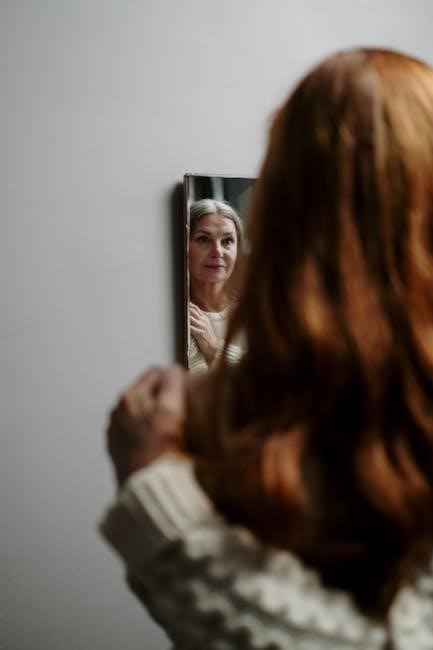
“This is Me” Dementia PDFs are thoughtfully created documents designed to encapsulate a comprehensive understanding of an individual navigating the challenges of dementia. They serve as a vital communication tool, bridging the gap between the person living with the condition, their caregivers, and healthcare professionals. These PDFs aren’t simply medical records; they are personalized life stories, detailing preferences, routines, and crucial medical information.
Essentially, they aim to preserve the personhood of the individual, ensuring their unique identity and history are central to their care. They help caregivers move beyond the illness and connect with the individual on a deeper, more meaningful level, fostering a sense of dignity and respect. These guides are becoming increasingly recognized as best practice in dementia care.
The Purpose of a “This is Me” Document
The core purpose of a “This is Me” document is to champion person-centered care for individuals living with dementia. It moves beyond solely focusing on the disease, instead prioritizing the person’s life story, preferences, and individual needs. This detailed record helps caregivers understand what brings joy, what causes distress, and how best to communicate with the individual.
By providing insight into daily routines and past experiences, these PDFs reduce anxiety and frustration for both the person with dementia and their caregivers. Ultimately, they aim to enhance quality of life, promoting dignity and respect while navigating the complexities of the condition. It’s about knowing the person, not just the dementia.

Types of Dementia Covered in These Guides
These guides commonly address Alzheimer’s, Vascular Dementia, Lewy Body Dementia, and Frontotemporal Dementia, recognizing each presents unique challenges and care approaches.
Alzheimer’s Disease: A Common Form
Alzheimer’s disease is the most prevalent cause of dementia, progressively impacting memory, thinking, and behavior. A “This is Me” document for someone with Alzheimer’s should detail their life story, past professions, cherished hobbies, and significant relationships – elements that remain even as cognitive abilities decline.
Including details about their personality before the disease manifested is crucial; were they outgoing, reserved, humorous? Knowing these aspects helps caregivers connect on a personal level. The PDF should also note frequently remembered memories, as these can provide comfort and spark conversation.
As the disease progresses, documenting preferred routines, favorite foods, and calming activities becomes increasingly important for minimizing distress and maximizing quality of life. Understanding their history allows for person-centered care, respecting their individuality throughout the journey.
Vascular Dementia: Impact of Blood Flow
Vascular dementia, stemming from reduced blood flow to the brain, often presents with sudden cognitive shifts or a stepwise decline. A “This is Me” PDF for individuals with vascular dementia should emphasize pre-existing health conditions like hypertension or stroke history, alongside current medications.
Documenting any history of falls or mobility issues is vital, as vascular dementia can affect physical coordination. Noting preferred methods of communication – especially if speech is impacted – is also key.
Because symptoms can fluctuate, the PDF should include observed patterns of confusion or clarity throughout the day. Details about past professions requiring problem-solving skills might offer insight into retained abilities. Focusing on maintaining independence with adapted routines, as noted in the document, supports dignity and well-being.
Lewy Body Dementia: Fluctuations and Visual Hallucinations
Lewy Body Dementia (LBD) presents unique challenges, including fluctuating cognition and vivid visual hallucinations. A “This is Me” PDF should meticulously document these experiences, noting triggers and the individual’s typical reaction. It’s crucial to differentiate hallucinations from reality, and the document should outline preferred calming techniques.
Medication lists are paramount, as sensitivity to neuroleptics is common in LBD. Include details about sleep disturbances, REM sleep behavior disorder, or any autonomic dysfunction.

Highlighting past interests and hobbies can provide opportunities for engagement during lucid periods. The PDF should also specify any known sensitivities to environmental stimuli, as these can exacerbate symptoms. Documenting preferred communication styles is vital, given potential speech difficulties.
Frontotemporal Dementia: Behavioral and Language Changes
Frontotemporal Dementia (FTD) often manifests as prominent behavioral or language difficulties. A “This is Me” PDF for someone with FTD should prioritize documenting personality shifts, disinhibition, or repetitive behaviors. Detail preferred activities and coping mechanisms that previously brought comfort.
For language variants, note specific communication challenges – difficulty finding words, understanding complex sentences, or speech production issues. Include examples of successful communication strategies.
Document any history of impulsive actions or changes in dietary preferences. Highlight routines that provide structure and minimize agitation. The PDF should also specify preferred methods for redirecting challenging behaviors and managing emotional outbursts, ensuring a person-centered approach.

Key Information Typically Included in a “This is Me” PDF
Essential details encompass personal history, medical information, daily routines, and effective communication techniques, fostering individualized and respectful dementia care practices.
Personal History & Preferences
This section delves into the individual’s life story, capturing their significant experiences, past occupations, and cherished hobbies. Understanding their background provides crucial context for current behaviors and preferences. Details about their upbringing, cultural background, and religious beliefs are also valuable.
Crucially, documenting personal preferences – favorite foods, music, activities, and comfort items – helps maintain a sense of identity and well-being. Knowing what brings joy and provides comfort allows caregivers to personalize care, reducing distress and promoting engagement. Include information about preferred names, nicknames, and how they like to be addressed. This section aims to paint a holistic picture of the person, beyond the dementia diagnosis, ensuring their individuality is honored and respected throughout their care journey.
Medical History & Medications
A comprehensive medical history is paramount, detailing past illnesses, surgeries, allergies, and current health conditions beyond dementia. This includes information about cardiovascular health, diabetes, or any other chronic diseases. A complete list of current medications – including dosages, frequency, and prescribing physicians – is essential to prevent harmful interactions and ensure appropriate treatment.
Documenting any history of falls, hospitalizations, or emergency room visits provides valuable insight for proactive care planning. Include details about sensory impairments, such as vision or hearing loss, as these can significantly impact communication and safety. Knowing the individual’s preferred pharmacy and emergency contact information is also vital for efficient care coordination and swift response in critical situations.
Daily Routines & Habits
Understanding an individual’s typical daily schedule – including wake-up time, meal times, bathing habits, and bedtime routines – is crucial for maintaining a sense of normalcy and reducing anxiety. Note any preferred activities, hobbies, or social engagements that bring joy and stimulation. Documenting usual patterns of behavior, such as preferred seating areas or times of increased restlessness, helps caregivers anticipate needs and provide appropriate support.
Details about dietary preferences, food allergies, and any difficulties with eating or swallowing are essential. Include information about preferred methods of hygiene and grooming, as well as any assistance required. Knowing their usual sleep patterns and any strategies that promote restful sleep can significantly improve quality of life.
Communication Strategies
Effective communication is paramount when caring for someone with dementia. This section should detail preferred communication methods – whether it’s simple language, visual cues, or gentle touch. Note any hearing or vision impairments and necessary accommodations, like speaking clearly and slowly or using larger print. Document past professions or interests, as these can be conversation starters.
Include information about topics the individual enjoys discussing and those that may cause distress or confusion. Identify any communication challenges, such as difficulty finding words or understanding complex sentences; Strategies like avoiding interruptions, maintaining eye contact, and using a calm tone of voice can significantly improve interactions and reduce frustration for both parties.

Benefits of Using a “This is Me” Dementia PDF
These guides foster deeper understanding, promote person-centered care, and minimize anxiety for individuals with dementia and their dedicated caregivers alike.
Improved Caregiver Understanding
A “This is Me” PDF significantly enhances a caregiver’s comprehension of the individual’s unique history, preferences, and needs. By detailing personal history and daily routines, these documents move beyond the disease to reveal the person within. This understanding is crucial, as living with dementia can be challenging and frustrating for everyone involved, yet also rewarding.
Caregivers gain insight into what brings joy, what causes distress, and how best to communicate, fostering a more empathetic and supportive environment. Knowing preferred activities and past experiences allows for meaningful engagement, improving quality of life. The document helps navigate potential anxieties and frustrations by providing context for behavioral changes, ultimately leading to more effective and compassionate care.
Enhanced Person-Centered Care
“This is Me” PDFs are instrumental in delivering truly person-centered care, shifting the focus from the illness to the individual’s life story and preferences. By outlining personal history, habits, and communication strategies, these documents empower caregivers to tailor support to the specific needs of the person living with dementia.
This approach acknowledges that dementia doesn’t erase individuality; it simply alters how that individuality is expressed. Understanding past joys, routines, and preferred ways of interacting allows for more meaningful engagement and reduces the risk of unnecessary distress. It promotes dignity and respect, ensuring care is not just medically sound, but also emotionally and psychologically supportive, fostering a better quality of life.
Reducing Anxiety and Frustration
“This is Me” dementia PDFs significantly minimize anxiety and frustration for both the individual with dementia and their caregivers. Knowing a person’s life story, preferred routines, and triggers for distress allows caregivers to proactively create a calmer, more predictable environment.
Unexpected changes or unfamiliar situations can be deeply unsettling for someone experiencing cognitive decline. Having readily available information about past experiences and coping mechanisms enables caregivers to anticipate and prevent potentially upsetting scenarios. This proactive approach fosters a sense of security and control, reducing agitation and promoting a more peaceful experience for everyone involved, ultimately improving well-being.

Creating and Utilizing a “This is Me” PDF
Compiling this document requires gathering comprehensive details, formatting for easy access, and establishing a schedule for regular updates to ensure accuracy.
Gathering Information
Initiating the creation of a “This is Me” PDF necessitates a collaborative approach, involving the individual with dementia, family members, and potentially healthcare professionals. Begin by collecting details about their life story – significant events, hobbies, and cherished memories. Explore their personal preferences, including favorite foods, music, and activities that bring them joy.
Crucially, document their medical history, encompassing diagnoses, medications, allergies, and past treatments. Understanding daily routines and habits – sleep patterns, meal times, and preferred ways of spending the day – is also vital. Don’t overlook gathering insights into their communication style, noting any challenges or strategies that facilitate understanding. This holistic approach ensures the PDF truly reflects the individual’s unique identity and needs, fostering person-centered care.
Document Formatting & Accessibility
When structuring a “This is Me” PDF, prioritize clarity and ease of use. Employ a large, readable font size and utilize headings and bullet points to organize information logically. Incorporate photographs to aid recognition and spark memories. Keep the language simple and avoid jargon, ensuring it’s understandable for all caregivers.
Accessibility is paramount; the PDF should be easily printable and viewable on various devices. Consider offering it in multiple formats if possible. Regularly review the document to ensure information remains current and accurate. A well-formatted, accessible PDF empowers caregivers to deliver personalized, respectful, and effective support, enhancing the quality of life for the individual with dementia.
Regular Updates & Review
A “This is Me” document isn’t static; it requires consistent updates to reflect evolving needs, preferences, and medical information. Schedule regular reviews – perhaps quarterly, or after significant life changes – involving the individual with dementia, family members, and caregivers.
These reviews ensure the document remains a reliable and accurate representation of the person. Document any changes meticulously, noting the date and reason for the update. This ongoing process guarantees the information remains relevant, fostering better understanding and person-centered care. Proactive updates minimize frustration and anxiety, promoting a supportive and respectful environment for everyone involved.

Resources and Support for Dementia Care
Numerous organizations, like the National Institute on Aging and Alzheimer’s Association, offer valuable guides and support for families navigating dementia care.
National Institute on Aging
The National Institute on Aging (NIA), a part of the National Institutes of Health, stands as a leading resource for information concerning dementia, including various types like Alzheimer’s and vascular dementia. Their website provides comprehensive details about these conditions, covering symptoms, diagnosis, and potential treatments. Importantly, the NIA emphasizes understanding the ‘dementia umbrella’ – recognizing that dementia isn’t a single disease, but a collection of related syndromes.
For caregivers and families, the NIA offers practical advice on managing the challenges of dementia care, promoting person-centered approaches, and fostering a supportive environment. They also fund extensive research aimed at unraveling the complexities of dementia and developing innovative care strategies. Accessing their resources can empower individuals to navigate the journey with greater knowledge and confidence, ultimately improving the quality of life for those affected by these conditions.
Alzheimer’s Association
The Alzheimer’s Association is a crucial organization dedicated to supporting individuals living with Alzheimer’s disease and all other forms of dementia, as well as their families and caregivers. They offer a wealth of resources, including information about different dementia types, caregiving tips, and support groups – vital for navigating the emotional and practical challenges. Recognizing the complexities of dementia, they highlight that caring for someone with Alzheimer’s often requires a team effort, sharing tasks and responsibilities.
Furthermore, the Association provides guidance on creating supportive environments and understanding the fluctuating nature of the disease. They champion person-centered care, emphasizing the importance of respecting individual preferences and maintaining dignity. Their 24/7 Helpline offers immediate support and connection to local resources, proving invaluable during times of crisis or uncertainty.
Dementia Resource Guides
Comprehensive dementia resource guides are essential tools for understanding the multifaceted nature of cognitive decline and providing effective support. These guides define dementia as a collection of symptoms – including memory loss, changes in thinking, and behavioral shifts – caused by various underlying diseases. They emphasize that dementia isn’t a single illness, encompassing conditions like Alzheimer’s, Vascular Dementia, Lewy Body Dementia, and Frontotemporal Dementia, each with unique characteristics.
These guides often detail the realities of caregiving, acknowledging the challenges and rewards. They provide practical tips for communication, managing difficult behaviors, and ensuring safety. Crucially, they highlight the importance of a “This is Me” document in personalizing care, capturing individual history, preferences, and medical information for improved understanding and support.

Leave a Reply
You must be logged in to post a comment.