
Navigating the fitness landscape requires tailored strategies; a well-structured plan empowers women to achieve goals, building strength and confidence through focused exercise routines․
Discover how to overcome gymtimidation and embrace a personalized approach, utilizing resources like downloadable PDFs for effective workout guidance and progress tracking;
Why a Dedicated Plan is Crucial
A thoughtfully designed workout plan is paramount for women, moving beyond random exercises to ensure progressive overload and targeted muscle engagement․ Without structure, plateaus occur, hindering results and diminishing motivation․
Utilizing a PDF guide provides clarity, outlining exercises, sets, reps, and rest periods, fostering consistency․ This focused approach minimizes injury risk, maximizes efficiency, and cultivates a sustainable fitness journey, empowering women to reach their full potential․
Benefits of Strength Training for Women
Strength training offers women a multitude of advantages, extending far beyond aesthetic improvements․ It boosts metabolism, increases bone density, and enhances functional strength for daily activities․
A well-structured PDF workout plan facilitates these benefits, promoting lean muscle mass and reducing the risk of injury․ Furthermore, it empowers women with confidence and resilience, fostering a positive body image and overall well-being․
Understanding Your Fitness Level
Accurately assessing your current capabilities is vital before starting any plan; a PDF guide can help determine if you’re a beginner, intermediate, or advanced exerciser․
Beginner, Intermediate, or Advanced?
Determining your fitness level is the crucial first step․ Beginners are new to exercise or returning after a long break, needing foundational plans often found in introductory PDFs․ Intermediate individuals can perform basic exercises with good form and seek increased challenges․
Advanced athletes have significant experience, requiring complex routines and progressive overload strategies․ A well-designed PDF workout plan will cater to your specific level, ensuring safety and effectiveness․
Assessing Current Strength and Endurance
Before starting any plan, honestly evaluate your capabilities․ Strength can be gauged by testing your maximum repetitions with bodyweight exercises like push-ups or squats․ Endurance is assessed through cardio tests – how long can you walk or jog comfortably?
Many women’s gym workout PDFs include self-assessment guides․ This data informs exercise selection and intensity, preventing injury and maximizing results․
Warm-Up & Cool-Down Essentials
Prioritize preparation and recovery! Dynamic stretches increase blood flow, while static stretches improve flexibility․ Many workout PDFs detail these crucial components․
Dynamic Stretching for Warm-Up
Prepare your muscles for activity with dynamic movements! Examples include arm circles, leg swings, torso twists, and walking lunges․ These exercises increase blood flow, improve range of motion, and enhance performance․
Many women’s gym workout plan PDFs emphasize the importance of a thorough warm-up․ Focus on controlled movements, gradually increasing intensity to prime your body for the workout ahead, minimizing injury risk․
Static Stretching for Cool-Down
Transition smoothly from exercise with static stretches, holding each stretch for 20-30 seconds․ Target major muscle groups worked during your session – hamstrings, quads, chest, and shoulders․
Most women’s gym workout plan PDFs recommend this post-exercise practice․ It improves flexibility, reduces muscle soreness, and promotes recovery, aiding in long-term fitness gains and preventing stiffness․

Workout Plan: Full Body (Beginner)
Beginner plans, often found in women’s gym workout plan PDFs, focus on foundational movements․ Prioritize proper form over weight, building a solid base for progression․
Workout Frequency & Rest Days
For beginners, a full-body routine 2-3 times per week, detailed in many women’s gym workout plan PDFs, is ideal․ Allow at least one full rest day between sessions to facilitate muscle recovery and prevent overtraining․ Active recovery, like walking or yoga, can be incorporated on rest days․ Listen to your body and adjust frequency as needed, prioritizing adequate rest for optimal results and injury prevention․
Exercises: Squats, Push-ups, Rows, Plank
Beginner workout PDFs often feature squats for lower body strength, push-ups (modified on knees if needed) for upper body, and rows using dumbbells or resistance bands for back muscles․ Include the plank for core stability․ Perform 3 sets of 8-12 repetitions for each exercise, focusing on proper form to maximize effectiveness and minimize injury risk․
Workout Plan: Upper Body Focus
Targeted routines in women’s gym workout PDFs emphasize chest, back, shoulders, biceps, and triceps, building upper body strength and definition through focused exercises․
Exercises: Bench Press, Shoulder Press, Bicep Curls, Tricep Extensions
Women’s gym workout PDFs often feature the bench press for chest strength, utilizing varied grips and weights․ Shoulder presses build deltoids, while bicep curls sculpt arms․
Tricep extensions target the back of the upper arm, enhancing definition․ Proper form, detailed in these plans, is crucial for maximizing results and preventing injuries during each exercise․
Sets, Reps, and Weight Selection
Women’s gym workout PDFs typically recommend 3-4 sets of 8-12 repetitions for muscle growth․ Weight selection should challenge you while maintaining proper form; start lighter and gradually increase․
Progressive overload, a key principle, involves increasing weight or reps over time․ These plans often suggest a weight where the last few reps are difficult but achievable․
Workout Plan: Lower Body Focus
Targeting legs and glutes, these plans emphasize exercises like lunges and deadlifts, building strength and sculpting lower body muscles for optimal results․
Exercises: Lunges, Deadlifts, Hamstring Curls, Calf Raises
Lunges sculpt legs and glutes, improving balance and coordination․ Deadlifts build full-body strength, focusing on posterior chain power․ Hamstring curls isolate and strengthen hamstrings, enhancing athletic performance․
Calf raises target calf muscles for definition and stability․ Proper form is crucial; consult resources or a trainer for guidance, ensuring safe and effective execution of each exercise;
Proper Form and Technique
Prioritizing correct form prevents injuries and maximizes results․ Maintain a neutral spine, engage your core, and control movements throughout each exercise․ Focus on quality over quantity, mastering technique before increasing weight or repetitions․
Utilize mirrors to monitor posture and seek guidance from qualified trainers․ Downloadable PDFs often include visual demonstrations; review them carefully for optimal execution․

Cardio Integration
Enhance fitness with cardio – treadmill, elliptical, or cycling – complementing strength training․ PDF plans often detail duration and intensity for optimal fat loss and endurance․
Types of Cardio: Treadmill, Elliptical, Cycling
Women’s gym workout PDF plans frequently incorporate varied cardio options․ Treadmills offer adjustable inclines and speeds for high-intensity intervals․ Ellipticals provide a low-impact, full-body workout, minimizing joint stress․ Cycling, whether stationary or outdoors, builds leg strength and cardiovascular health․
Choosing the right type depends on fitness level and preferences, ensuring adherence and enjoyment within the overall plan․
Cardio Duration and Intensity
Women’s gym workout PDF guides suggest cardio duration based on goals․ For weight loss, aim for 30-60 minutes most days․ Beginners should start with 20-30 minutes at moderate intensity – able to talk, but slightly breathless․
Intensity can be adjusted using heart rate zones or perceived exertion, progressively increasing duration and challenge as fitness improves․
Progressive Overload
Women’s gym workout PDF plans emphasize gradual increases in weight, reps, or sets․ This challenges muscles, driving adaptation and continuous strength gains over time․
Increasing Weight, Reps, or Sets
A women’s gym workout PDF should detail progressive overload strategies․ Begin by incrementally increasing weight when current reps are easily achieved․ Alternatively, add repetitions within a set before increasing weight․ Finally, consider adding sets for an exercise․
Consistent tracking of workouts—using a journal or app—is vital to monitor progress and ensure continued challenge, preventing plateaus and maximizing results․
Tracking Progress and Adjusting the Plan
Your women’s gym workout PDF should emphasize consistent progress monitoring․ Record weights lifted, reps completed, and perceived exertion; Analyze this data weekly to identify plateaus or areas needing adjustment․
Don’t hesitate to modify the plan based on your body’s response, ensuring continued challenge and preventing overtraining․ Flexibility is key to long-term success!
Nutrition for Workout Support
Fueling your body is vital; a women’s gym workout PDF should highlight protein intake for muscle recovery, alongside hydration strategies and optimal meal timing․
Protein Intake for Muscle Recovery
A comprehensive women’s gym workout PDF emphasizes protein’s crucial role in repairing and rebuilding muscle tissue post-exercise․ Aim for 0․8-1․2 grams of protein per pound of body weight daily, distributed across meals․
Prioritize lean sources like chicken, fish, beans, and Greek yogurt․ Adequate protein intake maximizes recovery, reduces muscle soreness, and supports strength gains, complementing your fitness plan․
Hydration and Pre/Post-Workout Meals
A well-designed women’s gym workout PDF highlights the importance of hydration; drink water consistently throughout the day, especially before, during, and after exercise to optimize performance․
Fuel workouts with a carbohydrate-rich meal 1-2 hours beforehand, and replenish glycogen stores with protein and carbs within 30-60 minutes post-exercise for optimal recovery․
Common Mistakes to Avoid
A comprehensive women’s gym workout PDF emphasizes proper form to prevent injuries; avoid overtraining and prioritize rest for sustainable progress and optimal results․
Incorrect Form and Injury Prevention
A detailed women’s gym workout PDF should prioritize form over weight, demonstrating each exercise with clear visuals and instructions․ Incorrect technique significantly increases injury risk, particularly for beginners․ Focus on controlled movements, engaging core muscles, and maintaining proper posture throughout each repetition․
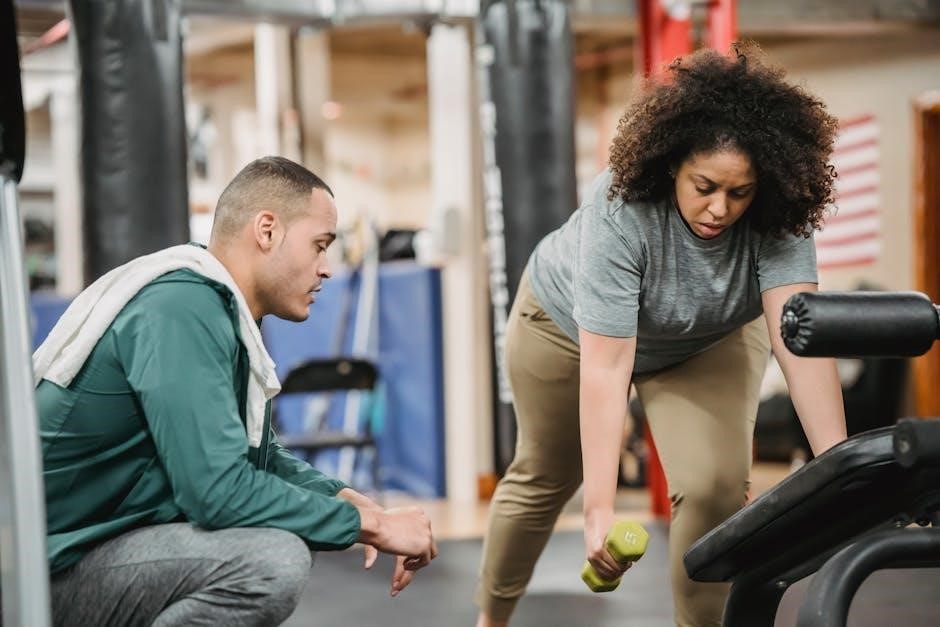
Prioritize learning the correct form before increasing intensity; consider seeking guidance from a qualified trainer to ensure safe and effective execution of exercises․
Overtraining and the Importance of Rest
A comprehensive women’s gym workout PDF must emphasize recovery as a crucial component of progress․ Overtraining hinders results and elevates injury susceptibility, leading to fatigue and burnout․ Adequate rest days allow muscles to repair and rebuild, optimizing performance and preventing plateaus․
Prioritize 7-9 hours of sleep and incorporate active recovery techniques like stretching or light cardio into your routine․
Workout Variations & Modifications
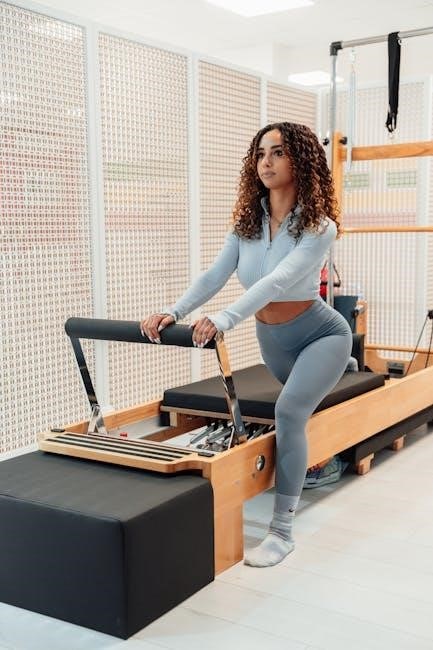
A flexible women’s gym workout PDF should offer exercise alternatives for varying fitness levels and limitations, ensuring accessibility and sustained engagement․
Explore home workout options utilizing bodyweight exercises when gym access is limited․
Adapting Exercises for Different Fitness Levels
A comprehensive women’s gym workout PDF acknowledges diverse starting points․ Beginners can modify exercises – for example, performing push-ups on knees instead of toes, or using lighter weights․
Intermediate and advanced individuals can increase resistance, reps, or sets, or explore more challenging variations․ Progression is key; a good plan provides scalable options, ensuring continuous improvement and preventing plateaus․
Home Workout Alternatives
Even without gym access, a PDF workout plan can be adapted․ Utilize bodyweight exercises like squats, lunges, and planks․ Resistance bands offer versatile options for added challenge, mimicking gym equipment․
Household items – water bottles or canned goods – can serve as weights․ Online resources provide guided routines, ensuring proper form and maximizing effectiveness, maintaining fitness momentum․
Sample Weekly Workout Schedule
A PDF plan might include Monday: Full Body, Tuesday: Cardio, Wednesday: Rest, Thursday: Upper Body, Friday: Lower Body, and weekend active recovery sessions․
Monday: Full Body
Kickstart your week with a comprehensive full-body workout, often detailed in a women’s gym workout PDF․ Focus on compound movements like squats, push-ups, and rows to engage multiple muscle groups simultaneously․ A sample routine could include three sets of ten to twelve repetitions for each exercise․
Remember to incorporate a plank for core strength, holding for 30-60 seconds․ Prioritize proper form over lifting heavy weights, especially when beginning a new program․
Tuesday: Cardio
Dedicate Tuesday to cardiovascular exercise, a crucial component often outlined in women’s gym workout PDFs․ Choose an activity you enjoy – treadmill running, elliptical training, or cycling – to maintain consistency․ Aim for 30-45 minutes of moderate-intensity cardio, elevating your heart rate and improving endurance․
Consider interval training for increased calorie burn and enhanced fitness levels, alternating between high-intensity bursts and recovery periods․
Resources for Further Learning
Explore reputable websites and apps offering detailed women’s gym workout PDFs, alongside guidance from qualified personal trainers for personalized support and optimal results․
Reliable Websites and Apps
Numerous online platforms provide downloadable women’s gym workout plans in PDF format․ Google offers a vast search capability to locate suitable routines, while fitness-focused websites often feature expert-designed programs․ Consider exploring apps like Nike Training Club or FitOn, which deliver structured workouts and progress tracking․
Remember to verify the credibility of sources and prioritize plans created by certified fitness professionals to ensure safety and effectiveness․ The BOE (Boletín Oficial del Estado) isn’t a fitness resource, but demonstrates the importance of official documentation․
Finding a Qualified Personal Trainer
A certified personal trainer can personalize a women’s gym workout plan, adapting it to individual needs and goals․ Look for trainers with relevant qualifications, like those from ACE or NASM, and experience working with women․
While PDFs offer guidance, a trainer provides form correction and motivation․ Resources like the BOE highlight the importance of qualified professionals; similarly, a skilled trainer ensures safe and effective exercise, maximizing results․
Creating a Sustainable Routine
Consistency is key; integrate your workout plan—perhaps utilizing a downloadable PDF—into your lifestyle․ Set realistic goals and celebrate milestones for lasting motivation․
Setting Realistic Goals
Begin by defining achievable short-term objectives, like completing a beginner’s workout plan PDF three times weekly․ Avoid overwhelming yourself with ambitious targets initially; focus on building consistency․ Track your progress—weight lifted, reps completed—and celebrate small victories․ Utilize a PDF workout plan as a guide, adjusting it as your fitness improves․ Remember, sustainable progress is gradual, prioritizing form and preventing injury over immediate results․
Staying Motivated and Consistent
Leverage a women’s gym workout plan PDF to structure your routine, reducing decision fatigue․ Find a workout buddy for accountability and shared encouragement․ Schedule workouts like appointments, prioritizing them in your week․ Reward yourself for milestones achieved, but not with setbacks to your nutrition․ Remember your ‘why’—the reasons you started—and revisit your PDF plan regularly for renewed focus․
Leave a Reply
You must be logged in to post a comment.