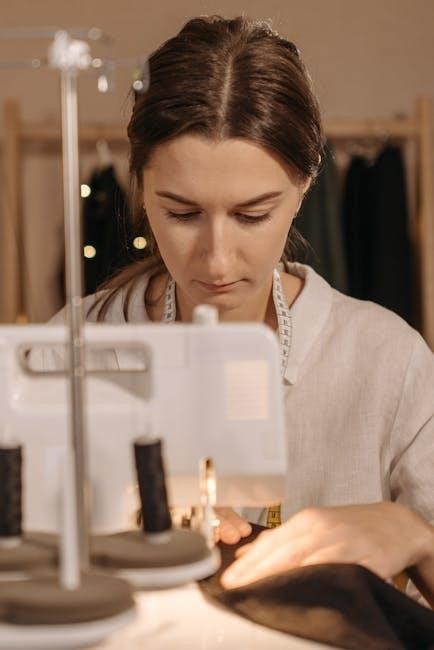
Seam guides are essential tools for achieving consistent and accurate stitching‚ offering precision for both beginners and experienced sewists. They simplify maintaining
desired seam allowances‚ improving project outcomes and overall sewing efficiency. Magnetic seam guides are particularly versatile‚ adapting to various machine types and projects.
What is a Seam Guide?
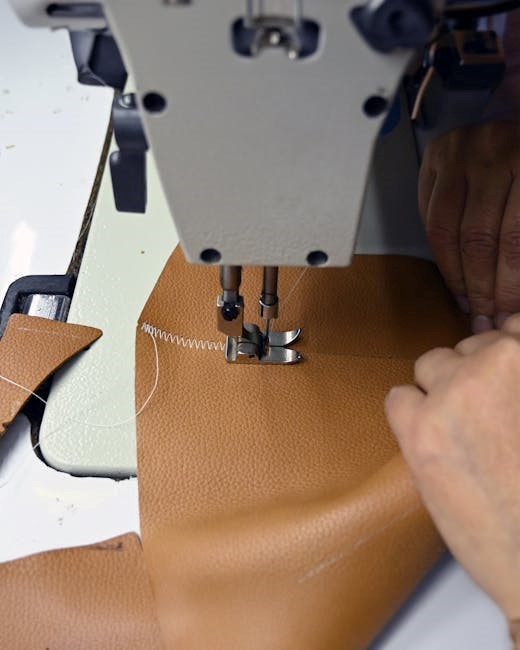
A seam guide is a tool used with a sewing machine to ensure consistent seam allowances. Typically‚ it’s a small metal or plastic piece that attaches to the stitch plate‚ acting as a physical reference for the fabric’s edge. This allows for precise needle placement‚ resulting in straight‚ even seams.
These guides help align fabric‚ eliminating guesswork and improving accuracy‚ especially crucial for projects requiring uniform seams like quilting or garment construction. They come in various forms‚ including magnetic‚ adjustable‚ and fixed options.
Why Use a Seam Guide?
Using a seam guide dramatically improves sewing accuracy and consistency. It eliminates the need to constantly measure and mark seam allowances‚ saving time and reducing errors. Consistent seams are vital for professional-looking results‚ particularly in garment construction and quilting.
Seam guides are beneficial for beginners learning to sew straight lines and experienced sewists tackling complex projects requiring precise stitching. They ensure uniformity across multiple pieces of fabric.
Types of Seam Guides
Seam guides come in several forms‚ including magnetic‚ plastic‚ metal‚ and adjustable varieties‚ each offering unique benefits and catering to different sewing preferences and machine setups.
Magnetic Seam Guides
Magnetic seam guides are popular for their ease of use and adaptability. These guides attach directly to the throat plate of your sewing machine‚ utilizing magnets for a secure hold. They eliminate the need for tapes or markings‚ offering quick adjustments for various seam allowances. Available as single guides or in sets‚ they’re compatible with most standard machines and provide consistent‚ accurate stitching.
Plastic Seam Guides
Plastic seam guides typically clip onto the edge of the sewing machine’s presser foot or throat plate. While often more affordable‚ they may not offer the same level of precision as magnetic options. These guides are suitable for lighter-duty projects and occasional use‚ providing a basic seam allowance reference. Their stability can vary depending on the attachment method and machine type.
Metal Seam Guides
Metal seam guides‚ often made of steel‚ offer enhanced durability and a more rigid structure compared to plastic alternatives. They generally attach to the presser foot or throat plate‚ providing a stable reference point for consistent seam allowances. While potentially more expensive‚ metal guides deliver long-lasting precision and are ideal for frequent or demanding sewing tasks.
Adjustable Seam Guides
Adjustable seam guides provide ultimate flexibility‚ allowing sewists to quickly change seam allowances without physically moving or replacing the guide. These guides typically feature a sliding mechanism or multiple settings‚ catering to diverse project requirements. This adaptability makes them incredibly convenient for projects demanding varied seam widths‚ streamlining the sewing process.
Using a Magnetic Seam Guide
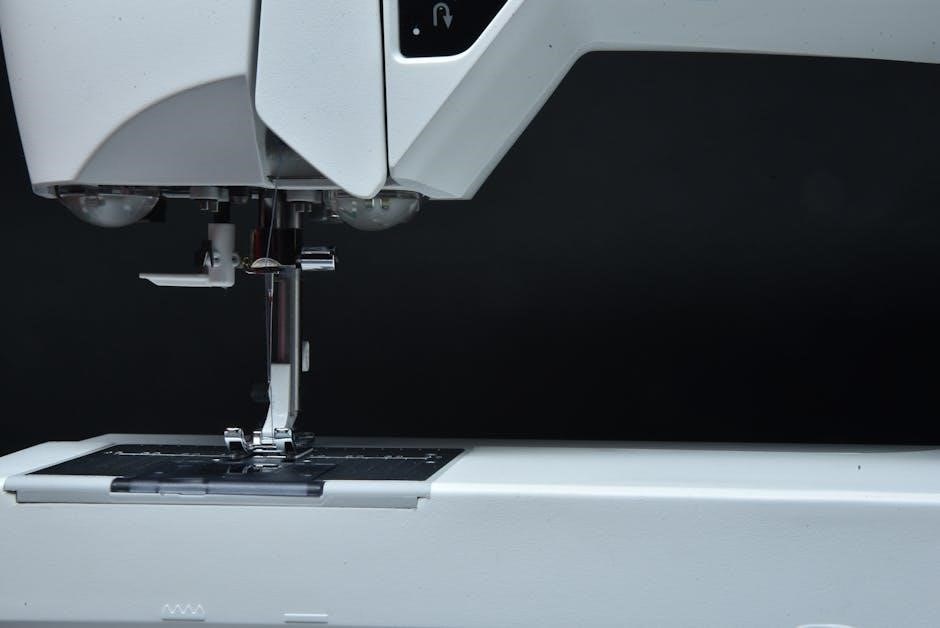
Magnetic seam guides easily attach to your machine’s stitch plate‚ providing a reliable edge for consistent seam allowances. Simple alignment and adjustment ensure accurate stitching every time.
Attaching the Magnetic Guide
Attaching a magnetic seam guide is remarkably straightforward; simply position the guide onto the needle plate of your sewing machine. The magnet securely holds it in place‚ ensuring it won’t shift during operation. Ensure the surface is clean for optimal adhesion. These guides work with most standard metal needle plates‚ offering a quick and easy setup for precise sewing‚ eliminating the need for tapes or markers.
Setting the Desired Seam Allowance
To set your seam allowance‚ align the magnetic guide’s edge with the corresponding measurement marking on your machine’s needle plate. Most guides feature markings for common allowances like ¼ inch‚ ⅜ inch‚ and ½ inch. Lower the presser foot and visually confirm the needle aligns with the chosen guide hole before beginning to sew‚ guaranteeing accuracy throughout your project.
Testing the Guide Before Sewing
Always test the guide on a scrap fabric piece before starting your actual project! This crucial step verifies proper alignment and prevents costly mistakes. Sew a short seam‚ then measure the resulting seam allowance to ensure it matches your intended measurement. Adjust the guide if needed‚ repeating the test until perfect accuracy is achieved.
Benefits of Magnetic Seam Guides
Magnetic seam guides offer effortless use‚ quick adjustments‚ and broad machine compatibility; They significantly enhance sewing accuracy and consistency‚ resulting in professional-looking projects with ease.
Ease of Use and Quick Adjustments
Magnetic seam guides excel in simplicity; they attach instantly to the stitch plate without tools. Repositioning for different seam allowances is remarkably fast – simply slide the guide to the new desired measurement. This speed is invaluable during projects requiring frequent seam width changes‚ streamlining workflow and minimizing interruptions. The intuitive design makes them user-friendly for all skill levels‚ promoting efficient and enjoyable sewing sessions.
Versatility Across Different Machines
Magnetic seam guides demonstrate broad compatibility‚ functioning effectively with most standard home sewing machines. Their design isn’t limited by machine brand or model‚ offering a universal solution for accurate stitching. Whether you utilize a basic mechanical machine or a computerized model‚ a magnetic guide provides consistent performance. This adaptability eliminates the need for multiple guides‚ simplifying your sewing toolkit.
Improved Accuracy and Consistency
Magnetic seam guides significantly enhance sewing precision by providing a reliable reference point for consistent seam allowances. This minimizes errors and ensures uniform stitching throughout your projects. By maintaining a steady distance between the fabric edge and the needle‚ these guides deliver professional-looking results‚ even on complex designs‚ boosting overall project quality.
Popular Brands of Magnetic Seam Guides
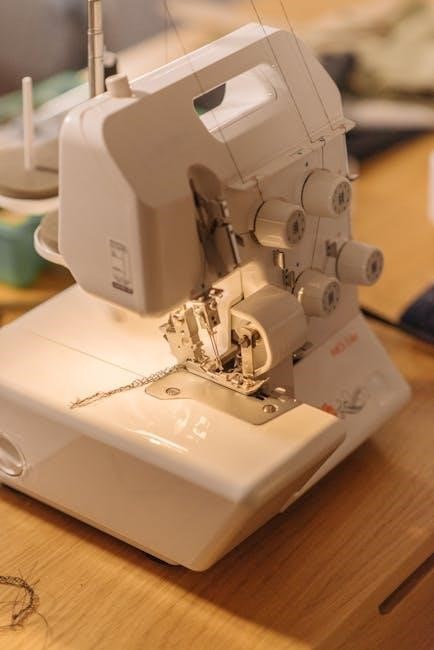
Dritz is a well-known brand offering reliable magnetic seam guides‚ alongside various generic options and comprehensive 4-piece sets for diverse sewing needs and projects.
Dritz Magnetic Seam Guide
Dritz offers a highly-regarded magnetic seam guide‚ frequently recommended for its dependable performance and ease of use. Many sewists appreciate its simple design and effective functionality‚ making it a popular choice for everyday sewing tasks. It securely attaches to the stitch plate‚ providing a stable reference point for accurate seam allowances. Some users even suggest pairing it with Post-it notes for added versatility‚ offering a cost-effective alternative to more elaborate systems.
Generic/Unbranded Magnetic Seam Guides
Unbranded magnetic seam guides present a budget-friendly option for sewists‚ often available at lower price points than established brands like Dritz. While quality can vary‚ many offer comparable functionality for basic sewing needs. These guides typically attach magnetically to the needle plate‚ assisting with consistent seam allowances. Consider reading reviews carefully to assess durability and magnetic strength before purchasing.
Specialty Magnetic Seam Guide Sets (e.g.‚ 4-piece collections)
Specialty sets‚ like 4-piece magnetic seam guide collections‚ provide enhanced versatility for diverse projects. These often include guides for ¼ inch‚ ⅜ inch‚ ½ inch‚ and other common seam allowances. This eliminates frequent adjustments‚ streamlining workflow. They cater to quilters and those needing precise measurements‚ offering a comprehensive solution for varied sewing applications;
Seam Guide and Different Seam Types
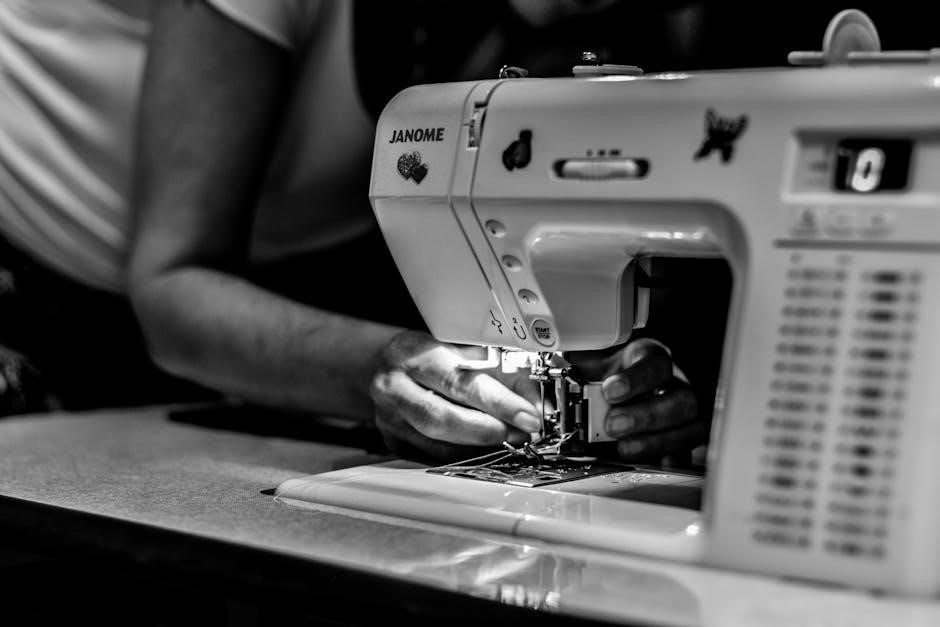
Seam guides ensure accuracy across various seam types – plain‚ French‚ welted‚ and bound – maintaining consistent stitch lines regardless of technique complexity‚ enhancing project quality.
Plain Seams and French Seams
For plain seams‚ a seam guide ensures a uniform distance from the fabric edge‚ creating a neat and durable finish. French seams‚ known for their enclosed raw edges‚ benefit immensely from a guide’s precision; maintaining consistent folding and stitching width is crucial. The guide helps achieve a professional‚ clean look‚ preventing fabric slippage during the multiple stitching steps inherent in French seam construction‚ resulting in a long-lasting and aesthetically pleasing seam.
Welt Seams and Lapped Seams
Welt seams‚ offering a decorative and functional finish‚ demand accuracy in guide placement for consistent welting width. Lapped seams‚ often used for durable joins‚ require precise alignment to prevent uneven overlaps. A seam guide ensures both sides of the seam are evenly stitched‚ creating a professional appearance and robust construction. Maintaining consistent seam allowances is vital for both seam types’ structural integrity and aesthetic appeal.
Bound Seams
Bound seams‚ encased in fabric for a clean finish‚ necessitate a precise seam allowance throughout the binding process. A seam guide ensures the binding strip is consistently applied‚ preventing puckering or uneven coverage. Accurate guide placement is crucial when stitching close to the seam line‚ securing the binding neatly. This technique benefits greatly from consistent stitching‚ enhancing both durability and visual appeal.
Channel Seams and Flat Seams
Channel and flat seams‚ often used in tailoring or creating specific design effects‚ demand precise stitching for a professional finish. A seam guide maintains consistent seam depth‚ vital for even channel construction and preventing distortion in flat seam applications. Accurate guide usage ensures clean lines and a polished appearance‚ enhancing garment structure and overall quality.
Troubleshooting Common Issues
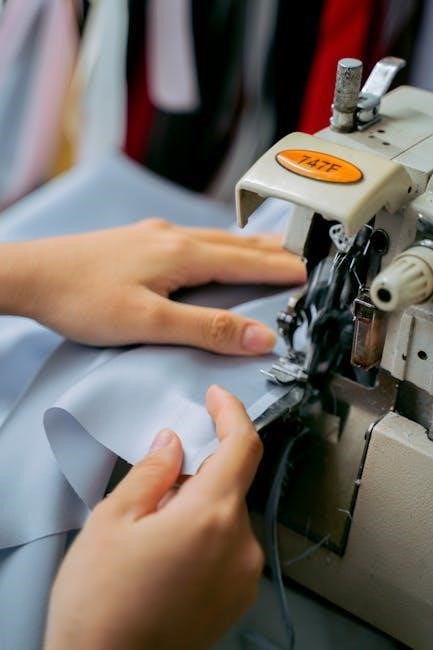
Common problems include guide slippage‚ inaccurate seam allowances‚ or incompatibility with stitch plates. Addressing these issues ensures optimal performance and consistent‚ precise stitching results with your guide.
Guide Slipping or Moving During Sewing
If your magnetic seam guide persistently slips‚ verify it’s securely attached to a compatible stitch plate. Ensure the plate is clean and free of debris. Sometimes‚ a stronger magnetic guide is needed‚ or consider temporarily using a small piece of double-sided tape for added security.
Also‚ check your machine’s speed; slower speeds often reduce slippage‚ allowing for greater control and accuracy during sewing.
Incorrect Seam Allowance
An inaccurate seam allowance often stems from improper guide placement or needle alignment. Double-check that the needle is correctly positioned to sew along the desired seam line indicated by the guide. Re-test on scrap fabric before starting your project. Verify the guide isn’t obstructing the presser foot‚ and ensure your machine is calibrated correctly for accurate stitching.
Compatibility with Stitch Plates
Magnetic seam guides require a ferromagnetic stitch plate to adhere properly. Not all machines have these; some utilize aluminum or plastic plates‚ rendering magnetic guides ineffective. Check your machine’s plate material before purchasing. Alternative guide types‚ like plastic or adjustable ones‚ offer broader compatibility‚ ensuring a secure fit regardless of the stitch plate’s composition.
Alternatives to Magnetic Seam Guides
Beyond magnetic guides‚ options include using tape as a temporary edge‚ engraved lines on the machine bed‚ or even creatively employing rubber bands for seam alignment.
Using Tape as a Guide
Employing tape presents a budget-friendly alternative to dedicated seam guides. Applying painter’s or masking tape alongside the presser foot establishes a visual reference for consistent seam allowances. Ensure the tape is securely adhered to the machine bed‚ avoiding any slippage during sewing.
This method is particularly useful for occasional projects or when a specific‚ non-standard seam width is required‚ offering a quick and adaptable solution.
Engraved Lines on the Sewing Machine Bed
Many sewing machines feature pre-engraved seam lines on the needle plate‚ offering a built-in guiding system. These lines typically indicate common seam allowances‚ such as 1/4 inch‚ 3/8 inch‚ and 1/2 inch. Utilizing these markings eliminates the need for additional tools‚ providing a convenient and accurate reference point for consistent stitching.
Rubber Bands as Seam Guides
A resourceful alternative‚ wide rubber bands can function as makeshift seam guides. Positioned around the presser foot‚ they provide a visual boundary for consistent stitching. While less precise than dedicated guides‚ rubber bands offer a low-cost solution for quick projects or when other options aren’t available. Ensure the band is securely placed to prevent shifting during sewing.
Comparing Seam Guides: Magnetic vs. Other Types
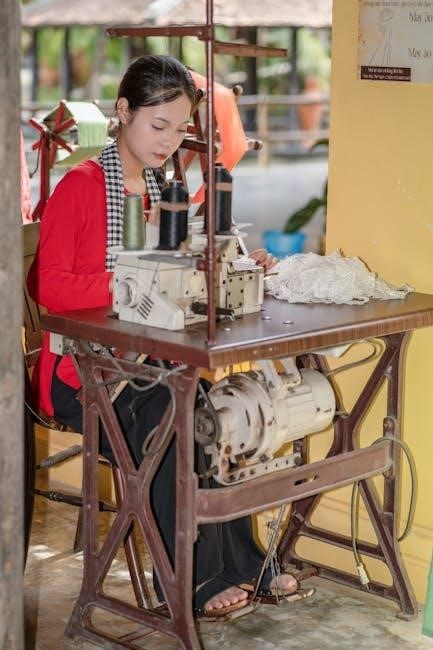
Magnetic guides excel in accuracy and ease of use‚ though cost varies. Alternatives like tape or engraved lines are cheaper but less precise and adaptable for diverse projects.
Accuracy and Precision
Magnetic seam guides generally offer superior accuracy compared to alternatives like tape or marked sewing machine beds. Their firm attachment minimizes slippage during sewing‚ resulting in consistently even seam allowances. This precision is crucial for projects demanding professional-looking results‚ especially when working with delicate fabrics or complex patterns. While engraved lines provide a fixed reference‚ magnetic guides allow for quick and precise adjustments to different seam widths‚ enhancing overall control and accuracy.
Cost and Durability
Magnetic seam guides are relatively inexpensive‚ with basic options costing under $10‚ making them accessible to all sewists. More comprehensive sets‚ like 4-piece collections‚ are moderately priced. Durability varies; metal guides generally outlast plastic ones. However‚ even affordable magnetic guides offer reasonable longevity with proper care and storage‚ proving a cost-effective investment for consistent sewing accuracy over time.
Ease of Installation and Removal
Magnetic seam guides excel in simplicity – they instantly attach to any sewing machine stitch plate due to their magnetic base. No tools or complicated adjustments are needed! Removal is equally effortless‚ allowing for quick repositioning or switching between guides. This ease of use makes them ideal for projects requiring frequent seam allowance changes‚ streamlining the sewing process significantly.
Choosing the Right Seam Guide for Your Needs
Selecting a seam guide depends on project types‚ machine compatibility‚ and budget. Consider features like adjustability and included seam allowances for optimal sewing results.
Considering Your Sewing Projects
Project complexity dictates the ideal seam guide. Simple garments benefit from basic guides‚ while quilting or intricate designs demand adjustable options. Frequent seam allowance changes necessitate quick-adjusting magnetic guides. For varied projects‚ a 4-piece collection offers versatility. Consider the fabrics used; lightweight materials may require a more secure guide to prevent slipping during sewing‚ ensuring accurate results.
Machine Compatibility
Magnetic seam guides generally adapt to most sewing machines with standard metal stitch plates. However‚ compatibility issues can arise with machines featuring plastic or non-magnetic plates. Always verify your machine’s stitch plate material before purchasing. Some guides are designed for universal fit‚ while others may require specific adapters for optimal performance and secure attachment.
Budget and Features
Seam guide costs vary widely‚ from affordable unbranded options around $10 to premium sets exceeding $30. Feature considerations include adjustability‚ the number of guides included‚ and build quality. Basic guides offer fixed seam allowances‚ while adjustable versions provide greater versatility. Prioritize features aligning with your frequent sewing projects and budget constraints.
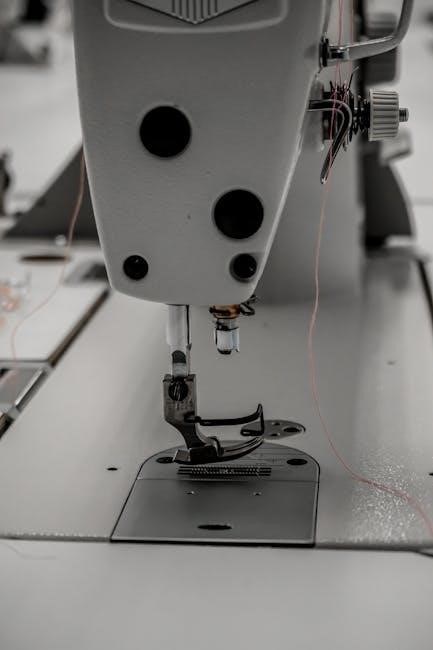
Maintaining Your Seam Guide
Regular cleaning removes fabric lint and debris‚ ensuring accurate performance. Inspect for wear and tear‚ replacing damaged guides promptly to maintain consistent seam allowances and sewing quality.
Cleaning and Storage
To clean your magnetic seam guide‚ gently wipe it with a soft‚ dry cloth after each use to remove lint and fabric particles. Avoid harsh chemicals or abrasive cleaners that could damage the surface. Store the guide in a clean‚ dry place‚ away from direct sunlight and extreme temperatures. A small pouch or container will protect it from scratches and ensure it’s readily available when needed‚ prolonging its lifespan and maintaining accuracy.
Checking for Wear and Tear
Regularly inspect your seam guide for any signs of damage‚ such as chipped edges or weakened magnetism. A diminished magnetic hold indicates wear and may affect accuracy. Examine the surface for scratches or debris that could interfere with smooth gliding. If significant wear is detected‚ consider replacing the guide to maintain precise seam allowances and consistent sewing results‚ ensuring project quality.
Advanced Techniques with Seam Guides
Experienced sewists utilize multiple guides simultaneously for intricate designs‚ or combine guides with rulers for specialized seams. This enhances precision and efficiency during complex projects.
Using Multiple Guides for Complex Projects
For advanced sewing‚ employing several seam guides concurrently unlocks possibilities for intricate designs and precise construction. This technique is invaluable when creating patterns demanding multiple parallel stitch lines‚ like quilting or detailed garment construction. Strategically positioning guides ensures consistent spacing and alignment‚ drastically reducing errors and improving the overall quality of the finished piece. It allows for complex seam combinations and decorative stitching with remarkable accuracy.
Combining Guides with Other Sewing Tools
Synergizing seam guides with complementary tools elevates sewing precision. Pair a magnetic guide with a quarter-inch foot for perfectly aligned topstitching or binding applications. Utilize it alongside a walking foot to maintain even fabric feed‚ especially with layered materials. Combining these resources ensures consistent results‚ minimizing puckering and slippage‚ ultimately enhancing project quality and streamlining the sewing process.
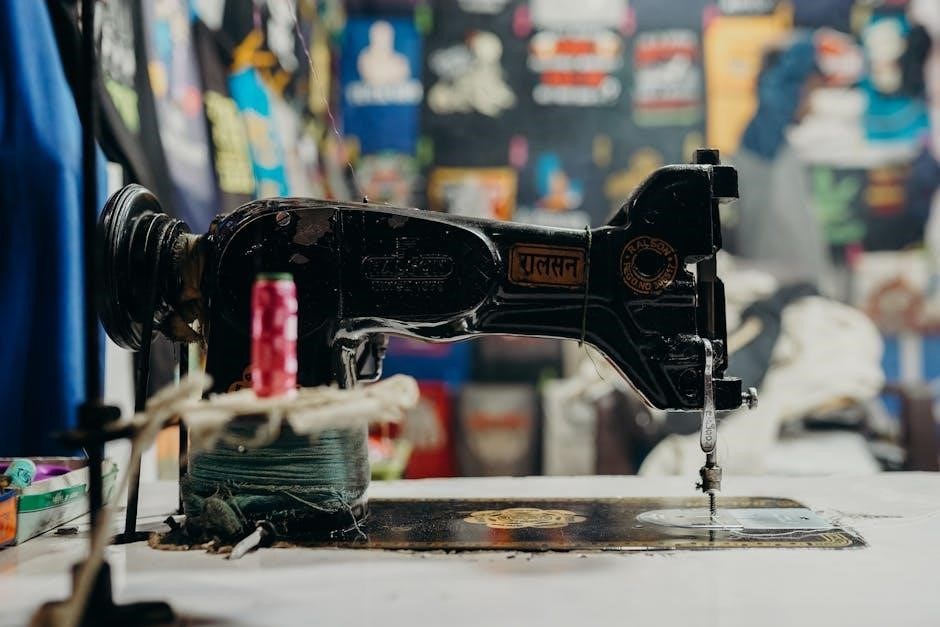
Where to Buy Seam Guides
Seam guides are readily available at online retailers like Amazon and specialized sewing supply stores. Local fabric shops also stock various options‚ offering hands-on selection.
Online Retailers
Numerous online retailers provide a vast selection of seam guides‚ including Amazon‚ offering diverse brands like Dritz and generic options. Websites specializing in sewing supplies‚ such as SewingPartsonline‚ frequently carry magnetic seam guides and complete sets. These platforms often feature customer reviews‚ competitive pricing‚ and convenient shipping directly to your doorstep‚ making comparison shopping easy.
Local Fabric Stores
Visiting local fabric stores allows for a hands-on experience when selecting a seam guide. Knowledgeable staff can offer personalized recommendations based on your sewing machine and project needs. You can physically examine different types – magnetic‚ plastic‚ or metal – ensuring compatibility. Supporting local businesses also fosters a vibrant sewing community.
Leave a Reply
You must be logged in to post a comment.