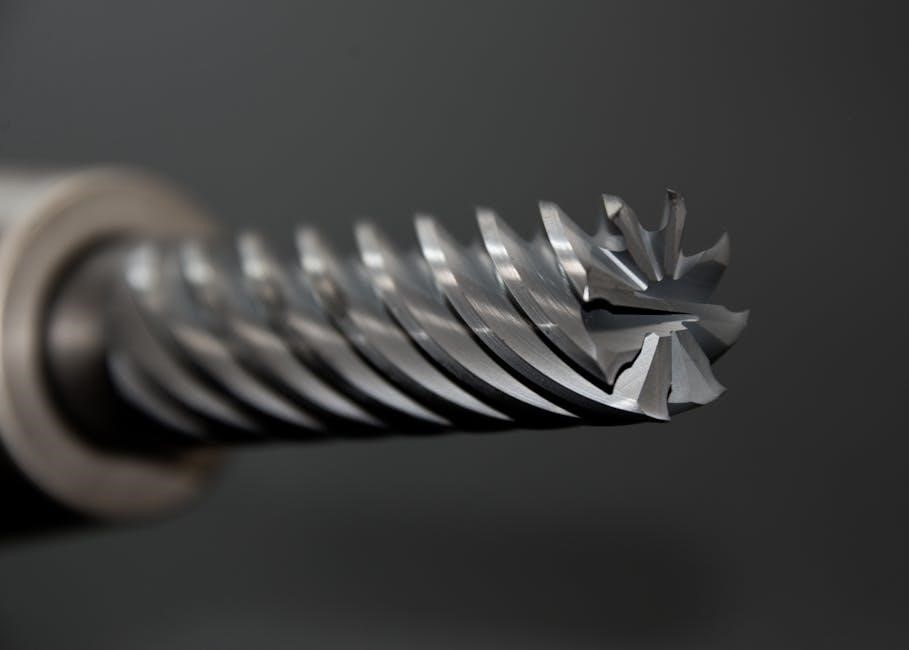
Milling Machine Manual: A Comprehensive Guide
This manual details essential maintenance, reconditioning, and inspection procedures for milling machines, ensuring optimal performance and longevity through diligent upkeep and precise techniques․
Regular checks, like fluid levels and chip clearing, alongside detailed lubrication inspections, are crucial for preventing failures and maintaining accuracy over time․
Understanding the condition of key parts – milling teeth, drums, holders, track pads, chains, and rollers – is vital for proactive replacement and sustained operational efficiency․
Milling machines are fundamental tools in modern manufacturing, capable of precisely removing material to create a wide array of components․ These versatile machines utilize rotating multi-point cutting tools to shape workpieces, offering accuracy and efficiency unmatched by many other machining processes․ Understanding the core principles of operation, coupled with diligent maintenance, is paramount for maximizing their potential․
Historically, milling machines have evolved significantly, from basic manual models to sophisticated Computer Numerical Control (CNC) machines․ Early machines often employed grey iron construction, sometimes mimicking patented iron mixes like “M” (Mehanite) through pattern replication․ Today’s machines boast advanced features, but the foundational concepts remain consistent․
This guide serves as a comprehensive resource, covering everything from basic operation and safety to advanced maintenance and reconditioning techniques․ Proper understanding and adherence to these guidelines will ensure the longevity and precision of your milling machine, contributing to efficient and high-quality production․
Types of Milling Machines
Milling machines come in diverse configurations, each suited for specific applications and production volumes․ Knee-type mills, characterized by their adjustable table, are versatile for general-purpose machining․ Column mills offer increased stability and are ideal for heavier workpieces․ Horizontal milling machines excel at creating slots and pockets, while vertical milling machines are adept at surface milling and drilling․
Furthermore, CNC milling machines represent a significant advancement, automating the machining process through computer control․ These machines offer unparalleled precision and repeatability, crucial for complex geometries and high-volume production․ Universal milling machines combine features of both horizontal and vertical types, providing flexibility․
The selection of the appropriate milling machine depends on factors such as workpiece size, material, required accuracy, and production quantity․ Understanding the strengths and limitations of each type is essential for optimizing machining operations and achieving desired results․
Safety Precautions
Operating a milling machine demands strict adherence to safety protocols to prevent injuries and ensure a safe working environment․ Always wear appropriate personal protective equipment (PPE), including safety glasses, hearing protection, and close-fitting clothing․ Secure long hair and avoid loose jewelry that could become entangled in moving parts․
Before operation, thoroughly inspect the machine for any damage or malfunctions․ Ensure all guards are in place and functioning correctly․ Never operate the machine without proper training and understanding of its controls․ Be mindful of chip ejection and avoid placing hands near the cutting area․
Emergency stop buttons should be readily accessible and tested regularly․ Maintain a clean and organized workspace to prevent tripping hazards․ Never leave a running machine unattended and always follow lockout/tagout procedures during maintenance․
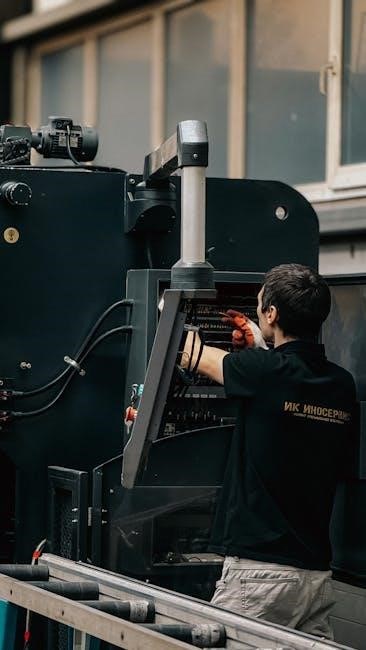
Milling Machine Components
Essential components include the spindle, table, and cutting tools, working in concert to shape materials precisely․ Understanding each part’s function is key to effective operation and maintenance․
Spindle and Spindle Speed

The spindle is the rotating shaft that holds and drives the cutting tool, representing the heart of the milling machine’s operation․ Its precision and stability are paramount for achieving accurate cuts and surface finishes․ Spindle speed, measured in revolutions per minute (RPM), significantly impacts machining performance․
Selecting the correct spindle speed is crucial, dependent on factors like the workpiece material, cutting tool type, and desired cutting parameters․ Higher speeds are generally suitable for smaller tools and softer materials, while lower speeds are preferred for larger tools and harder materials․ Regular spindle assessment is a key component of deep maintenance, ensuring continued optimal function․
Monitoring for issues like excessive vibration or noise can indicate bearing wear or other problems requiring immediate attention․ Proper lubrication is essential for minimizing friction and extending spindle life, contributing to overall machine longevity and accuracy․
Table and Table Movements
The milling machine table provides a stable platform for securing the workpiece and facilitates precise movement along multiple axes – typically X, Y, and Z․ These movements are essential for positioning the workpiece relative to the cutting tool, enabling the creation of complex shapes and features․
Table movements are achieved through manual cranks or powered feeds, offering varying degrees of control and precision․ Maintaining smooth and accurate table movement is critical for achieving desired tolerances and surface finishes․ Regular inspection for backlash or binding is a vital part of routine maintenance․
Ensuring the table surface is flat and free from debris is also important for proper workpiece clamping and stability․ Hold-down mechanisms, like those potentially glued with Rulon 142, contribute to secure workpiece positioning during machining operations, preventing unwanted movement․
Cutting Tools
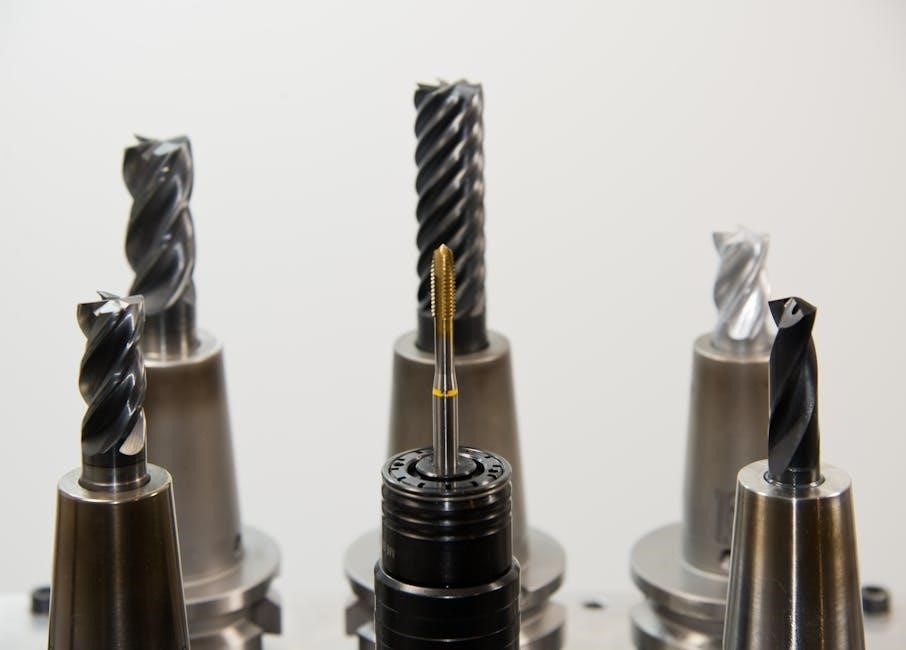
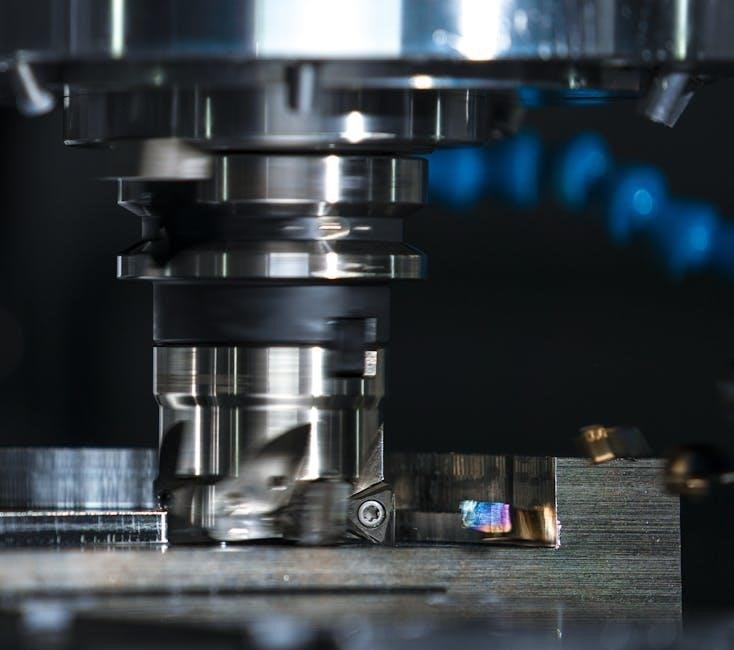
Selecting the appropriate cutting tool is paramount for efficient and accurate milling operations․ Various tool types, including face mills and end mills, cater to different machining tasks and material properties․ Understanding tool geometry, material composition, and coating options is crucial for optimizing performance and tool life․
Milling system parts, specifically milling teeth and tool holders, are subject to wear and tear during operation․ Regular inspection of these components for damage, such as chipping or dulling, is essential for maintaining cutting efficiency and preventing workpiece defects․ Worn milling teeth significantly impact the quality of the milled surface․
Proper tool holding and clamping are vital to minimize vibration and ensure accurate cutting․ Maintaining sharp cutting edges and appropriate tool geometry contributes to reduced cutting forces and improved surface finish․
Operation of a Milling Machine
Successful milling requires precise workpiece setup, correct clamping, and careful control of feed rates and cutting speeds for optimal results․
Mastering basic operations like face milling and end milling is fundamental to achieving desired shapes and finishes with accuracy and efficiency․
Workpiece Setup and Clamping
Proper workpiece setup and secure clamping are paramount for safe and accurate milling operations․ Begin by thoroughly cleaning the workpiece and the machine table to remove any debris or contaminants that could affect precision․ Select appropriate clamping devices – vises, chucks, or specialized fixtures – based on the workpiece’s shape, size, and material․
Ensure the workpiece is positioned correctly, considering the desired cutting path and tool access․ Tighten clamping devices firmly, but avoid over-tightening, which could distort the workpiece or damage the clamping mechanism․ Verify the workpiece’s stability by attempting to move it; any movement indicates insufficient clamping․
For complex geometries, consider using multiple clamping points or a dedicated fixture to provide adequate support and prevent vibration during machining․ Always prioritize a rigid and stable setup to minimize the risk of tool breakage, workpiece displacement, and compromised surface finish․ Glue on some Rulon 142 for hold-down flatness․
Feed Rates and Cutting Speeds
Selecting appropriate feed rates and cutting speeds is crucial for efficient milling and optimal tool life․ Cutting speed, measured in surface feet per minute (SFM), dictates how quickly the cutting tool moves relative to the workpiece․ Feed rate, expressed in inches per minute (IPM) or millimeters per minute (mm/min), determines the rate at which the tool advances into the material․
These parameters are influenced by several factors, including the workpiece material, cutting tool material, tool geometry, and desired surface finish․ Higher cutting speeds generally increase productivity but can reduce tool life․ Conversely, lower speeds extend tool life but may decrease machining efficiency․
Consult material-specific charts and tool manufacturer recommendations to establish initial settings․ Usage-based scheduling is essential; adjust feed rates and speeds based on observed chip formation, tool wear, and workpiece surface quality․ Monitor for excessive vibration or chatter, which indicates improper settings․
Basic Milling Operations (Face Milling, End Milling)
Milling encompasses various operations, with face milling and end milling being fundamental techniques․ Face milling utilizes a large-diameter cutter to create flat surfaces by removing material across the entire workpiece width․ It’s efficient for establishing a smooth, planar base․
End milling, conversely, employs a cylindrical cutter to machine slots, pockets, and contours․ The cutter rotates as it moves along the workpiece, progressively removing material․ Different end mill geometries – square end, ball nose, and corner radius – cater to diverse machining needs․
Proper setup, including secure workpiece clamping and appropriate cutting parameters, is vital for both operations․ Maintaining consistent feed rates and depths of cut ensures uniform material removal and a high-quality surface finish․ Regularly inspect cutting tools for wear and replace them as needed to maintain precision and prevent damage․
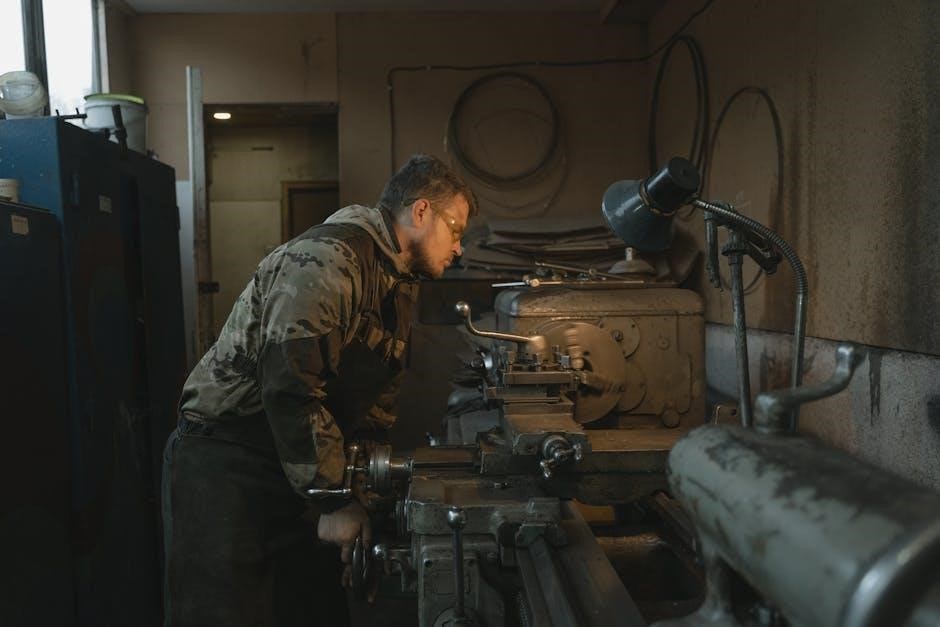
Milling Machine Maintenance
Consistent upkeep, including daily checks, weekly tasks, and monthly procedures, is essential for optimal performance, accuracy, and prolonged machine lifespan, preventing costly failures․
Daily Maintenance Checklist
Begin each shift with a thorough inspection of fluid levels, ensuring adequate coolant and lubrication for smooth operation and preventing premature wear on critical components․
Prioritize chip removal from the work area and machine surfaces, utilizing a vacuum to maintain cleanliness and prevent interference with accurate movements and potential damage․
Verify the proper functioning of all safety systems, including emergency stops, guards, and interlocks, to guarantee a safe working environment for operators and personnel․
Conduct a quick visual assessment of belts, hoses, and connections, checking for signs of wear, damage, or leaks that could compromise machine performance or pose safety hazards․
Confirm the correct operation of the spindle and table movements, listening for unusual noises or vibrations that may indicate underlying issues requiring attention․
Finally, wipe down all exposed surfaces with a clean cloth, maintaining a tidy workspace and promoting a professional and organized machine shop environment․
Weekly Maintenance Procedures
Dedicate time each week to a more detailed filter cleaning, removing accumulated debris and ensuring optimal coolant circulation for efficient chip removal and prolonged tool life․
Perform a comprehensive lubrication inspection, meticulously checking all lubrication points and replenishing grease or oil as needed to minimize friction and prevent wear․
Inspect belts and pulleys for proper tension and alignment, adjusting or replacing worn components to maintain consistent power transmission and prevent slippage or breakage․
Examine hoses and connections for leaks or damage, tightening clamps or replacing deteriorated parts to prevent fluid loss and maintain hydraulic system integrity․
Clean the coolant tank, removing sediment and contaminants, to maintain coolant effectiveness and prevent corrosion or bacterial growth within the system․
Visually inspect the spindle for any signs of wear or damage, noting any unusual noises or vibrations that may warrant further investigation or repair․
Monthly Maintenance and Accuracy Verification
Conduct a thorough accuracy verification, utilizing precision measuring tools to assess the machine’s positioning accuracy and identify any deviations from specified tolerances․
Inspect the electrical system, checking wiring connections for tightness and examining components for signs of overheating or damage to ensure safe and reliable operation․
Perform a detailed inspection of the hydraulic system, checking fluid levels, filter condition, and pump performance to maintain consistent pressure and responsiveness․
Clean and inspect the way covers and wipers, removing debris and ensuring smooth sliding action to protect the machine’s ways from contamination and wear․
Check and adjust the machine’s leveling, ensuring a stable and accurate foundation for optimal performance and minimizing vibration during operation․
Review and update the maintenance log, documenting all completed tasks and any observed issues to track maintenance history and facilitate future repairs․
Troubleshooting Common Issues
Addressing spindle problems, table movement difficulties, and cutting tool breakage requires systematic diagnosis, utilizing expertise and careful inspection for effective resolution․
Spindle Problems
Spindle issues often manifest as unusual noises, vibrations, or a lack of consistent speed, demanding immediate attention to prevent further damage and maintain machining accuracy․ A thorough assessment begins with checking fluid levels and ensuring proper lubrication, as insufficient lubrication is a frequent culprit․
Investigate potential bearing failures, which can cause excessive runout and noise; replacement may be necessary․ Electrical connections should be inspected for looseness or corrosion, potentially impacting spindle motor performance․
Regular spindle assessments, as part of a quarterly or semi-annual deep maintenance schedule, are crucial for early detection of wear and tear․ If problems persist, a professional evaluation is recommended to diagnose complex issues and ensure safe, effective repairs, potentially involving reconditioning processes․
Table Movement Issues
Difficulties with table movement, such as stiffness, jerky motion, or inability to maintain position, often indicate problems with the way surfaces interact․ Begin by inspecting the guide rails for debris, accumulated chips, or dried coolant, which can create friction and impede smooth travel․
Lubrication is paramount; ensure all slides and lead screws are adequately greased according to the manufacturer’s specifications․ Examine the drive belts or ball screws for wear, damage, or improper tension, as these components directly influence table movement․
If the table is not holding position, investigate the locking mechanisms and brakes for proper engagement․ A flat hold-down, securely glued, can improve stability․ Consistent monthly accuracy verification will help identify developing issues before they escalate into major repairs․
Cutting Tool Breakage
Frequent cutting tool breakage signals underlying issues within the milling process or machine itself․ Incorrect cutting parameters – excessive feed rates or speeds – are primary culprits, inducing undue stress on the tool․ Always adhere to recommended speeds and feeds for the material and tool type․
Insufficient coolant application can lead to overheating and premature tool failure․ Verify adequate coolant flow and concentration․ Inspect the workpiece clamping; inadequate rigidity can cause chatter and tool damage․
Tool wear, though gradual, contributes to breakage․ Implement a regular tool inspection schedule and replace worn tools promptly․ Finally, ensure the milling machine is accurately aligned and that the spindle runout is within acceptable limits, as misalignment exacerbates tool stress․
Advanced Maintenance & Reconditioning
Comprehensive reconditioning involves scraping techniques for precision, meticulous inspection for wear, and addressing issues like pitted or scored surfaces for optimal machine performance․
Machine Reconditioning Processes
Effective machine reconditioning begins with a thorough disassembly and cleaning of all components․ This allows for detailed inspection, identifying areas of wear, damage, or corrosion․ Grey iron machines, common in older models, may exhibit pitting and scoring, requiring careful filing or scraping to restore flat surfaces․
The process often includes repairing or replacing worn parts, such as bearings, seals, and hydraulic components․ Critical areas like the spindle and table ways are meticulously assessed and re-machined if necessary to ensure accuracy․
Scraping techniques, a traditional method, are employed to achieve precise fits and eliminate backlash․ This involves carefully removing material to create perfectly mating surfaces․ Finally, the machine is reassembled with new lubrication and undergoes rigorous testing to verify its performance and accuracy, returning it to near-original condition․
Scraping Techniques for Precision
Scraping is a meticulous hand-fitting process used to achieve exceptional accuracy in machine tool components․ It involves carefully removing small amounts of material from mating surfaces using specialized scrapers, creating a high degree of conformity and eliminating unwanted clearances․
The technique relies on applying a thin layer of Prussian blue or marking compound to the surfaces, then scraping away the high spots revealed by the transfer․ This is repeated iteratively, gradually improving the fit until a uniform contact pattern emerges․
Scraping is particularly crucial for bedways and spindle housings, ensuring smooth, precise movement and minimizing vibration․ It demands skill, patience, and a keen eye for detail, resulting in a machine capable of holding extremely tight tolerances and delivering superior performance․
Inspection Methods for Wear and Tear
Regular inspection is paramount for identifying wear and tear in milling machines, preventing catastrophic failures and maintaining accuracy․ Visual checks should encompass all components, looking for signs of pitting, scoring, or corrosion, particularly on the machine’s grey iron structures․
Detailed examination of milling system parts – teeth, drums, and tool holders – is essential, assessing sharpness, damage, and proper seating․ Undercarriage components like track pads, chains, and rollers require scrutiny for wear, cracks, and proper tension․
Accuracy verification using precision instruments, such as dial indicators and levels, should be performed monthly, checking for deviations in table travel and spindle runout․ Consistent monitoring allows for timely repairs and component replacement, extending the machine’s lifespan․
Key Parts & Their Condition
Assessing the condition of milling system and undercarriage parts is crucial for longevity, including teeth, drums, holders, track pads, chains, rollers, and sprockets․
Milling System Parts (Teeth, Drums, Holders)
The milling system’s effectiveness hinges on the condition of its core components: teeth, drums, and tool holders․ Regularly inspect milling teeth for wear, breakage, and sharpness, as dull or damaged teeth significantly reduce cutting efficiency and surface finish․
Milling drums require careful examination for cracks, deformation, or excessive wear․ Any structural compromise in the drum can lead to catastrophic failure during operation, posing a serious safety hazard․ Ensure proper balancing of the drum to minimize vibration and extend its lifespan․
Tool holders must be checked for accurate clamping force and absence of runout․ Loose or damaged tool holders can cause tool deflection, leading to inaccurate machining and potential tool breakage․ Prioritize using high-quality tool holders designed for the specific milling application to maximize performance and reliability․
Identifying worn-out parts proactively ensures optimal performance and longevity of the entire milling system․

Undercarriage Parts (Track Pads, Chains, Rollers)
The undercarriage is critical for machine mobility and stability, demanding consistent inspection of track pads, chains, and rollers․ Track pads should be assessed for wear, cracking, and proper bolt tension; loose or damaged pads compromise traction and machine control․
Milling machine chains require regular lubrication and examination for stretching, broken links, and proper tension․ A slack or damaged chain can lead to erratic movement and potential failure, halting operations and requiring costly repairs․
Rollers must be checked for smooth rotation, bearing wear, and damage to the sealing surfaces․ Worn rollers increase friction, reduce efficiency, and can cause uneven machine travel․ Proactive replacement of worn undercarriage components minimizes downtime and ensures safe, reliable operation․
Regularly identifying worn-out parts is essential for optimal performance and longevity․
Hydraulic System Maintenance
The hydraulic system powers many milling machine functions, necessitating meticulous maintenance for optimal performance․ Regular fluid level checks are paramount, ensuring sufficient volume for consistent operation and preventing pump cavitation․ Inspect hydraulic fluid for contamination – metal particles, water, or air – which can damage components․
Filter cleaning or replacement is crucial, preventing abrasive particles from circulating and causing wear․ Examine hoses and fittings for leaks, cracks, or damage, addressing issues promptly to avoid fluid loss and potential hazards․
Periodic hydraulic fluid replacement, ideally semi-annually, maintains fluid viscosity and cleanliness․ Thoroughly assess the system for smooth operation, responsiveness, and unusual noises, indicating potential problems․ Consistent hydraulic system maintenance extends component life and minimizes costly downtime․
Proper maintenance prevents failures more effectively than calendar-based intervals․
Leave a Reply
You must be logged in to post a comment.